90-Metre Flames, 20,000 Evacuated: Emergency in Canada
90-metre flames, 20,000 evacuated: a state of emergency is declared in Western Canada as a megafire rages. An analysis of the climate stakes.
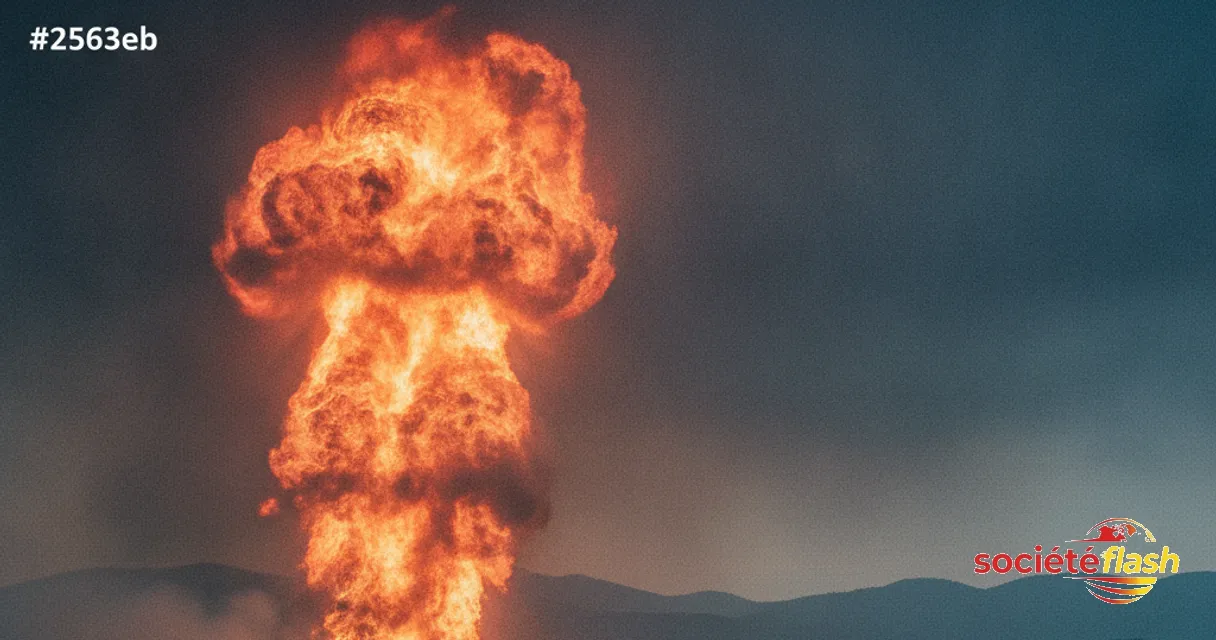
Flames soaring 90 metres high rise above the treetops as a state of emergency is declared across Western Canada, devastated by a megafire. More than 20,000 people have been evacuated in British Columbia, a province accustomed to wildfires but rarely faced with such extreme intensity. This devastating phenomenon highlights the climate emergency and the urgent need for robust response strategies to protect communities and the environment.
Understanding the Scale of the Fires in British Columbia
In August 2026, British Columbia is confronting a wildfire of unprecedented proportions. Dubbed the Bald Range fire, it has already consumed more than 10,000 hectares—an area equivalent to the size of Paris. Driven by fierce winds, these fires are spreading rapidly, triggering mass evacuations. While wildfires are not uncommon in this part of Canada, the current situation is exceptionally critical, prompting local authorities to declare a provincial state of emergency.
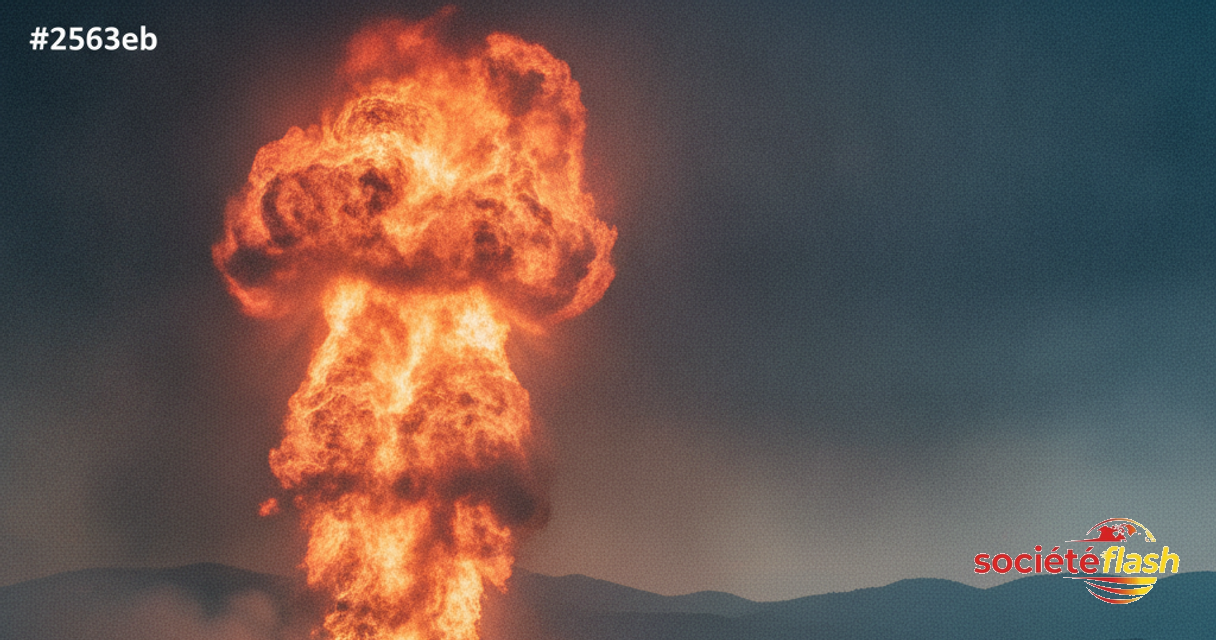
The province's Premier, David Eby, explained that the flames are reaching breathtaking heights, describing firestorms that generate their own weather systems, with dry lightning further fueling the blazes. The situation is a stark reminder of the destructive impact of climate change, which continues to intensify the frequency and severity of wildfires across the globe.
Common Pitfalls in Wildfire Crisis Management
Despite the tremendous efforts of firefighters and emergency crews, certain missteps can exacerbate an already precarious crisis. One of the most frequent mistakes is underestimating the rate of fire spread, which is often accelerated by strong winds and drought conditions. This can delay evacuation orders and emergency response, placing the lives of residents and first responders at risk.
Another recurring issue is a lack of coordination among different emergency agencies. Insufficient communication can lead to inefficient responses and the misallocation of vital resources. A clear strategy and an established incident command structure are essential to effectively managing emergencies of this scale.
Step-by-Step Checklist for Wildfire Crisis Response
When dealing with a major wildfire, following a structured set of actions is vital to ensure public safety and mitigate damage. Here is a practical, essential checklist:
- Rapid and accurate assessment: Analyze the fire's perimeter and forecast its path to plan and execute timely evacuations.
- Emergency services coordination: Maintain seamless communication between multi-jurisdictional teams for swift, unified intervention.
- Safe evacuation: Ensure the orderly evacuation of high-risk zones, delivering clear, real-time updates to residents.
- Resource management: Efficiently deploy personnel and specialized equipment to fight the fire and safeguard critical infrastructure.
- Community support: Provide psychological, financial, and material assistance to evacuees and impacted families.
The Impact of Global Warming on Wildfires
Global warming, driven by human activities, plays a decisive role in the escalating severity of forest fires. In Canada, temperatures are rising at twice the global average rate, creating prime conditions for more frequent and devastating fires. The past three summers have been among the most destructive on record, with over 3.5 million hectares already burned this year alone.
This alarming trend highlights the necessity of ambitious environmental policies to mitigate the effects of climate change. Calls are growing for the creation of a national centre equipped to anticipate and manage forest fires more effectively, safeguarding both human communities and natural ecosystems. For more information on federal measures, visit the official website of the Government of Canada.
FAQ
Why was a state of emergency declared in British Columbia?
The state of emergency was declared due to the unprecedented scale of the Bald Range wildfire, which has forced the evacuation of over 20,000 residents and threatens public safety and local ecosystems.
How does global warming contribute to intensifying wildfires?
Global warming contributes to higher wildfire frequency and intensity by fostering hotter, drier conditions, creating abundant dry fuel and facilitating the rapid spread of flames.
How are authorities managing the ongoing wildfire crisis?
Authorities are coordinating the deployment of more than 2,000 firefighters, executing rapid evacuation plans, and working around the clock to minimize structural damage while prioritizing resident safety.
Conclusion and Call to Action
The devastating fires in British Columbia underscore the need for immediate, coordinated action to tackle the growing challenges posed by climate change. As a Société Flash reader, stay informed and engaged to support environmental crisis management initiatives. To follow developing coverage of this critical situation, visit Société Flash and join the conversation for a safer, more sustainable future. Stay informed and ready to protect our planet.
For related stories, check out our coverage on tensions in the Middle East and the rising global environmental challenges.