Afghanistan: Five Years Later, Women at Risk
Afghanistan: Five years after the Taliban's return to power, women face increasing exclusion from society. An analysis of the challenges and potential solutions.
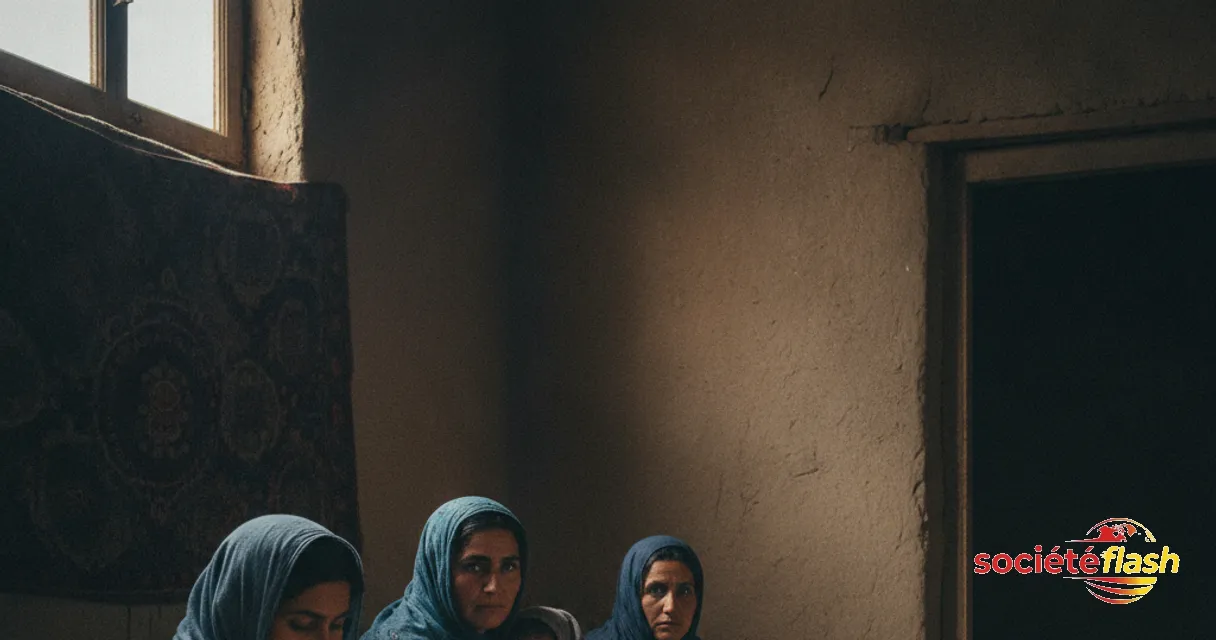
Since the Taliban returned to power in Afghanistan on August 15, 2021, the situation for women has deteriorated drastically. Despite initially promising to uphold human rights, the Taliban instituted a regime that severely curbs women's freedoms. This article examines the causes and consequences of this crisis and highlights potential solutions to support Afghan women.
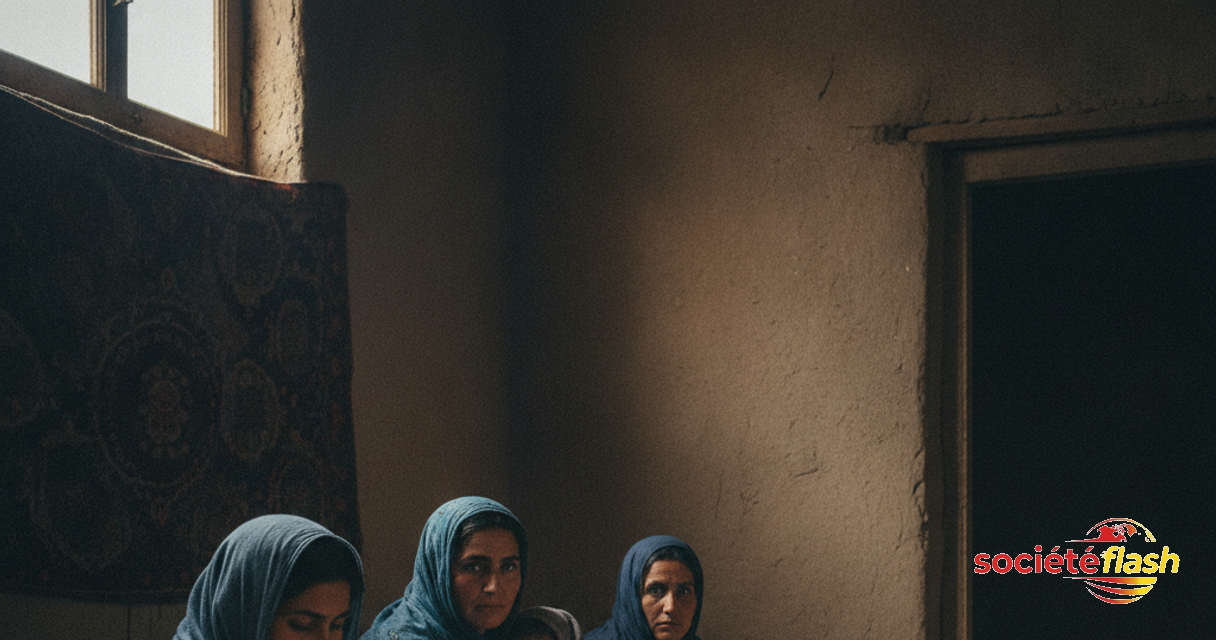
The Erosion of Women's Rights in Afghanistan
Since the Taliban took power, women's rights in Afghanistan have been systematically dismantled. Although the Taliban initially pledged gender equality, they enacted a series of restrictive laws primarily targeting women. As an Afghan doctor pointed out, "When the Taliban took power, if they made ten laws, nine were about women."
The restrictions are extensive and pervasive: bans on education beyond age 12, bans on working for NGOs or government agencies, and bans on free movement. Furthermore, women have been stripped of political participation and excluded from public life, as confirmed by an Amnesty International report.
The Root Causes of Exclusion
The Taliban often justify these measures through their strict interpretation of Sharia law and their commitment to enforcing a rigid "Islamic" framework. According to their spokesperson, Zabihullah Mujahid, women are "Muslim" and must live within these boundaries. However, this ideology enforces an almost total seclusion of women, confining them strictly to domestic roles.
In addition to these restrictive laws, women are forced to wear the full burqa in conservative provinces such as Kandahar and Helmand, further restricting their freedom and visibility in public spaces. This reality has driven many women to flee the country, seeking refuge abroad to escape these unbearable conditions.
Solutions to Support Afghan Women
Faced with this alarming crisis, concrete steps must be taken to support Afghan women. One prominent initiative is led by Hoda Khamosh, a poet and activist now living as a refugee in Norway. She founded the Women's Movement for Justice to give a voice to Afghan women both in exile and living under Taliban rule.
Actionable solutions include:
- Supporting international and grassroots organizations working to defend women's rights in Afghanistan.
- Deploying online educational platforms to give women access to education despite restrictions.
- Urging foreign governments to maintain diplomatic pressure on the Taliban regime to restore basic human rights for women.
These initiatives are crucial to helping women regain a degree of independence and advocate for their rights.
Conclusion: A Call to Action
The situation of women in Afghanistan is critical, and urgent action is needed to improve their living conditions. At Société Flash, we are committed to informing and raising awareness on these essential issues. Visit our World section to learn more about global affairs and how you can support Afghan women.
To explore more articles on related topics, check out our Society section and stay informed on global developments impacting human rights.
FAQ
What rights have Afghan women lost under the Taliban regime?
Women have lost access to education past age 12, the right to work for NGOs or government bodies, as well as freedom of movement and free speech.
What steps is the international community taking to support Afghan women?
The international community is maintaining diplomatic pressure and funding local and international NGOs defending women's rights in Afghanistan.
How can Afghan women continue their education despite the ban?
Online educational platforms and distance-learning courses are being developed to enable women to access schooling despite Taliban restrictions.
What is the Women's Movement for Justice?
It is an initiative founded by Hoda Khamosh to amplify the voices of Afghan women in exile and inside Afghanistan, advocating for their rights and sharing their stories.
How can I help Afghan women?
You can support organizations advocating for women's rights in Afghanistan, raise awareness in your community, and urge your government to take diplomatic action.
Also Read