Can Electric Cars Erase €20 Billion in Tax Revenue?
Explore whether electric cars can erase €20 billion in tax revenue, the fiscal implications, and potential solutions for a balanced energy transition.
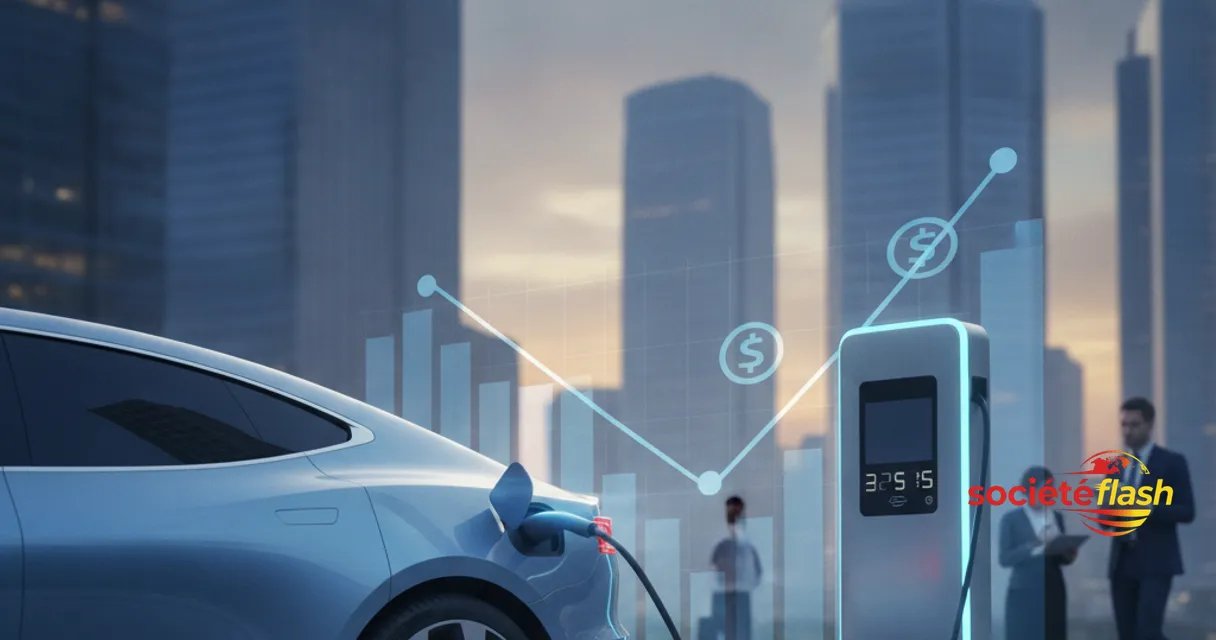
As the world shifts towards sustainable energy, a pressing question emerges: can electric cars erase €20 billion in tax revenue? This debate is not only about the environment but also about fiscal resilience. As electric vehicles (EVs) gain popularity for their eco-friendly advantages, they present a significant challenge to public finances. We will explore the causes, implications, and potential solutions of this situation.
The Tax Landscape: Fuel vs. Electric Vehicles
Historically, France's automotive tax system has heavily depended on fuel taxation. Every liter of petrol or diesel sold is taxed up to 75 cents per liter, alongside an additional 20% VAT. This framework generates approximately €24 billion annually, forming a crucial part of the national budget. However, the rise of electric cars, which do not consume petrol or diesel, threatens this revenue stream.
In 2024, French private vehicles consumed 10.9 billion liters of petrol and 14.8 billion liters of diesel. With the increasing sales of electric cars, these numbers are expected to decline, jeopardizing fuel tax revenues. This loss is particularly concerning as fuel taxes are not only easy to collect but also proportionate to vehicle usage.
The Rise of Electric Vehicles
As of January 1, 2026, electric vehicles accounted for 3.5% of the 40 million private cars in France. By August 2026, they represented 38% of new car registrations. This surge is driven by government incentives and eco-bonuses, making electric car purchases more appealing to consumers.
Despite these incentives, electric vehicles are currently less taxed than their fossil-fuel counterparts. For example, they are exempt from CO₂ penalties and benefit from reductions in certain taxes like the company car tax. Consequently, if the transition to electric vehicles continues at this pace, the state could lose a substantial portion of its automotive tax revenue.
Assessing the Fiscal Shortfall
Fiscal analysis shows that a massive shift to electric vehicles could significantly reduce state tax revenues. In a scenario where all 40 million cars in France are electric, the fiscal losses could be substantial. Although taxes on electricity used for vehicle charging might partially offset this loss, they remain far from sufficient.
Based on an annual electricity consumption of 70 to 95 TWh, electricity taxes could generate about €4 billion, well below the €24 billion currently collected from fossil fuel taxes. Thus, a revision of the tax framework for electric vehicles seems inevitable to bridge this fiscal gap.
Potential Solutions for Fiscal Balance
To ensure fiscal balance, several measures can be considered. Firstly, increasing taxes on electricity used for charging vehicles could be a viable solution. Additionally, introducing new taxes on electric cars, such as distance-based charges or higher registration fees, could help compensate for the lost revenue.
- Increase taxation on electricity for vehicle charging.
- Introduce distance-based taxes.
- Reassess subsidies and tax incentives for electric vehicles.
- Promote alternative revenue sources for the government.
However, these measures require a balanced approach to avoid discouraging the transition to greener vehicles.
Navigating the Energy Transition
The question of whether electric cars can erase €20 billion in tax revenue remains complex. While the environmental benefits of electric vehicles are undeniable, it is crucial to reassess our fiscal framework to ensure a sustainable energy transition. At Société Flash, we are committed to informing you about economic and societal developments, helping you understand the challenges of tomorrow. For more insights into the economic impacts of the energy transition, visit our economy section.
FAQ
Why are electric vehicles less taxed?
Electric vehicles benefit from various tax exemptions to encourage their adoption, as part of policies aimed at reducing CO₂ emissions.
How can the state compensate for the loss of tax revenue?
The state can consider increasing taxes on electricity, introducing distance-based taxes, or revising fiscal incentives for electric vehicles.
Will subsidies for electric vehicles continue indefinitely?
Subsidies are likely to decrease as the electric vehicle market matures and adoption becomes more widespread.
What are the environmental benefits of electric vehicles?
Electric vehicles reduce CO₂ emissions and urban pollution, contributing to improved air quality and combating climate change.
Where can I learn more about economic developments?
For more information on economic impacts, visit our economy section on the Société Flash website.
Also Read