Canada Wildfires: Woman in Her 80s Loses Her Life in British Columbia
Canada Wildfires: An octogenarian dies while fleeing a raging megafire in British Columbia, which remains out of control and has triggered a provincial state of emergency.
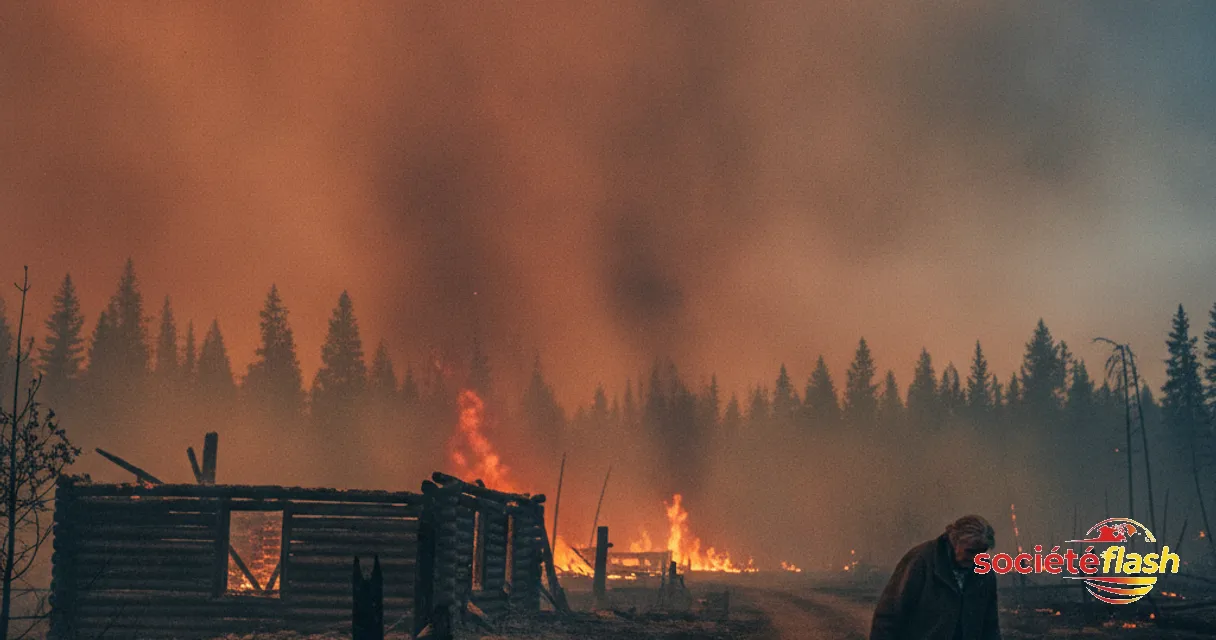
Wildfires across Canada have reached dramatic proportions, particularly in British Columbia, where a major blaze, the Bald Range fire, continues to rage. The tragedy escalated with the heartbreaking death of a woman in her 80s, who lost her life while trying to flee her home threatened by the flames. This tragic event underscores not only how dangerous the current situation is, but also the urgent need to take action to mitigate such disasters in the future.
Causes of the British Columbia Wildfires
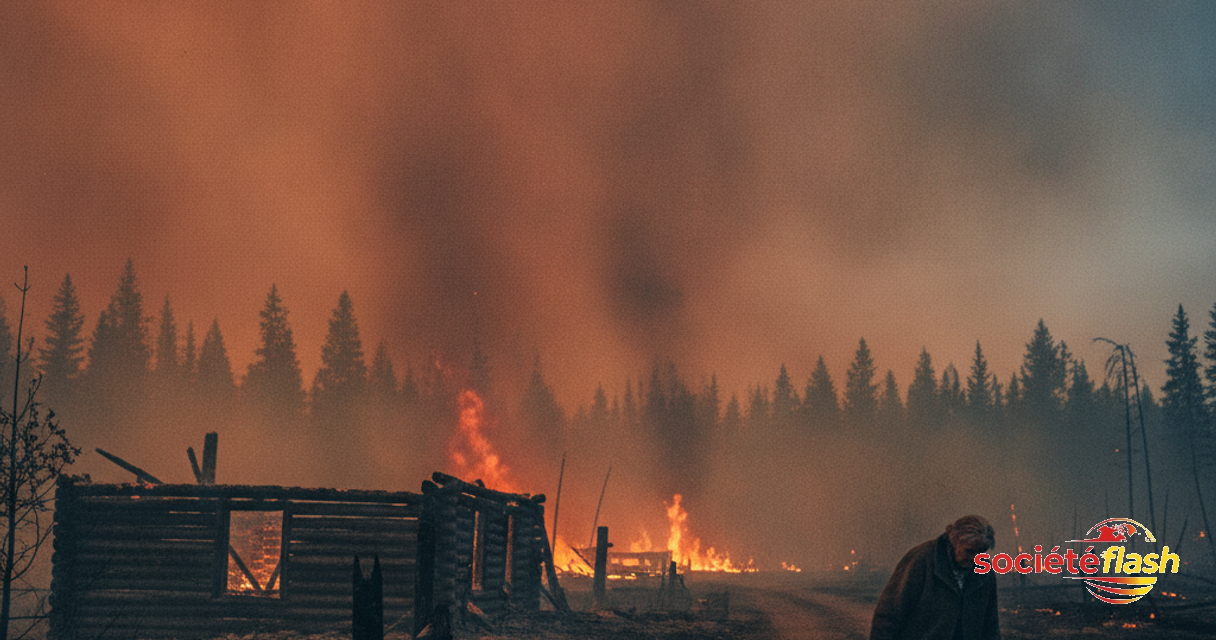
Wildfires in British Columbia, such as the Bald Range fire, are exacerbated by multiple environmental factors. Persistent drought and violent winds have acted as major catalysts in the rapid spread of flames. First reported on August 7, the blaze quickly expanded to over 130 square kilometres, forcing thousands of residents to evacuate their homes.
The changing climate also plays a critical role. Canada is warming at twice the global average rate, leaving its forests particularly vulnerable to fire. Extreme weather conditions, including thunderstorms accompanied by lightning, further increase the risk of blazes. As a result, British Columbia is not just battling an isolated fire, but an entire series of active incidents, with 106 blazes recorded across the province.
Firefighting Strategies
Faced with the intensity of the flames, local crews have adopted targeted strategies to protect communities and critical infrastructure. According to Erin Catherall of the BC Wildfire Service, a direct frontal attack on the fires is impossible without putting firefighters' lives at risk. Consequently, response efforts are focused on structure protection and reinforcing containment lines.
The province has also declared a state of emergency, requesting federal assistance to help rehouse evacuees and provide logistical support. Canadian Prime Minister Mark Carney expressed solidarity with evacuees and frontline firefighters, emphasizing the national commitment to support them. This collective mobilization is essential to curb the threat and protect local communities.
Comparison with Other Canadian Regions
The severity of the fires in British Columbia stands out, though other regions across Canada have also suffered from wildfires this summer. In Ontario, for instance, smoke severely degraded air quality, affecting major cities like Toronto. The environmental and public health impacts of these fires highlight the necessity of more robust, nationwide management and prevention strategies.
- British Columbia: Over 130 km² burned, 106 active fires, state of emergency declared.
- Ontario: Degraded air quality in Toronto, with smoke impacting the eastern United States.
Impact on Local Communities
The fires have not only destroyed infrastructure, but have also upended lives and livelihoods. The Okanagan region, renowned for its tourism and vineyards, has been hit particularly hard. More than 20,000 people were forced to flee, leaving behind homes, barns, and orchards in the path of the flames.
This situation underscores the need for local and federal governments to work hand in hand to provide immediate, effective support to affected residents. Measures such as upgrading emergency response infrastructure and deploying early warning systems are crucial to mitigating the impact of future fires.
FAQ
What is causing the wildfires in British Columbia?
The fires are primarily driven by ongoing drought, gusty winds, and a shifting climate that leaves forests significantly more vulnerable.
How is the government responding to the wildfires?
The provincial government has declared a state of emergency and requested federal assistance to support evacuees and bolster firefighting operations.
What is the impact of the fires on the Okanagan region?
The Okanagan has seen widespread evacuations, with heavy impacts on tourism and vineyards, severely disrupting local livelihoods and the regional economy.
Conclusion
The wildfires in British Columbia serve as a tragic reminder of climate change realities and the pressing need for a coordinated, proactive response. To learn more about global developments and how they affect our lives, visit our article on international tensions or recent social trends. To stay informed on the latest updates, subscribe to Société Flash and get news delivered straight to your inbox.
For more details on the situation in British Columbia, read the full article here.