Ceuta Migrant Crisis: An Urgent Call for Help
The situation for migrants in Ceuta is critical. Heartbreaking testimonies reveal deep despair, highlighting the urgent need for a humanitarian response.
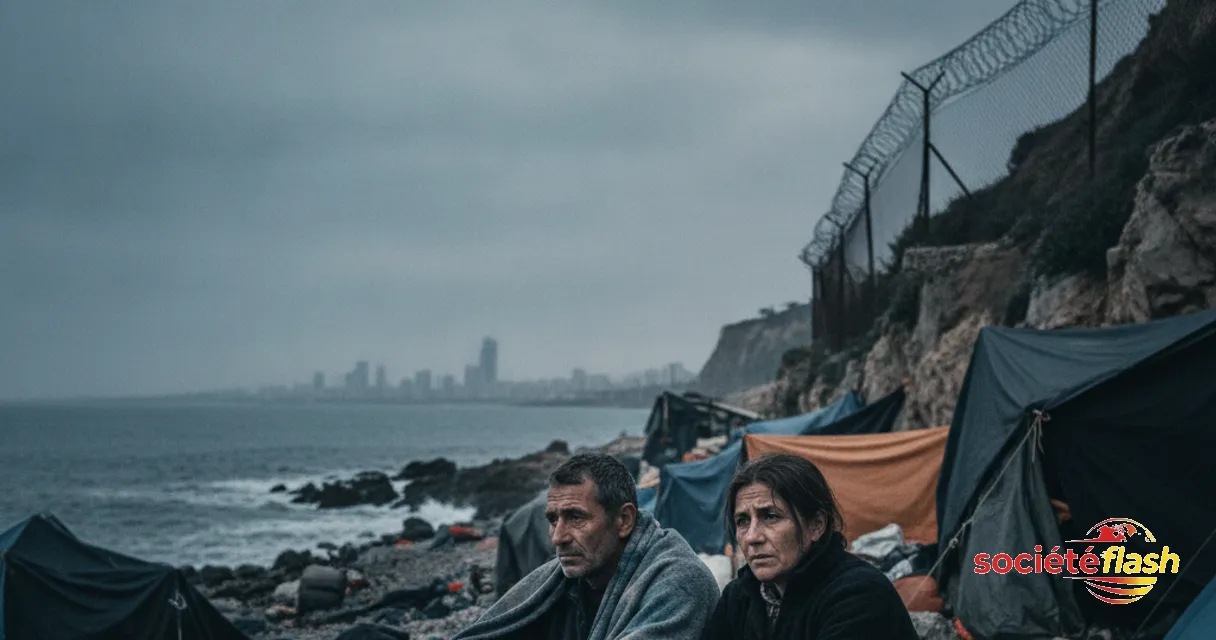
The situation facing migrants in Ceuta has become a burning international news issue. With thousands attempting to cross the Spanish border from Morocco, humanitarian, political, and social challenges continue to mount. Heartbreaking accounts from migrants—who state they would rather die on the spot than return to their home countries—illustrate the deep despair gripping these vulnerable populations. In this article, we explore the current dynamics in Ceuta, strategic opportunities to address this crisis, and how Société Flash can play a leading role in coverage and awareness around this complex issue.
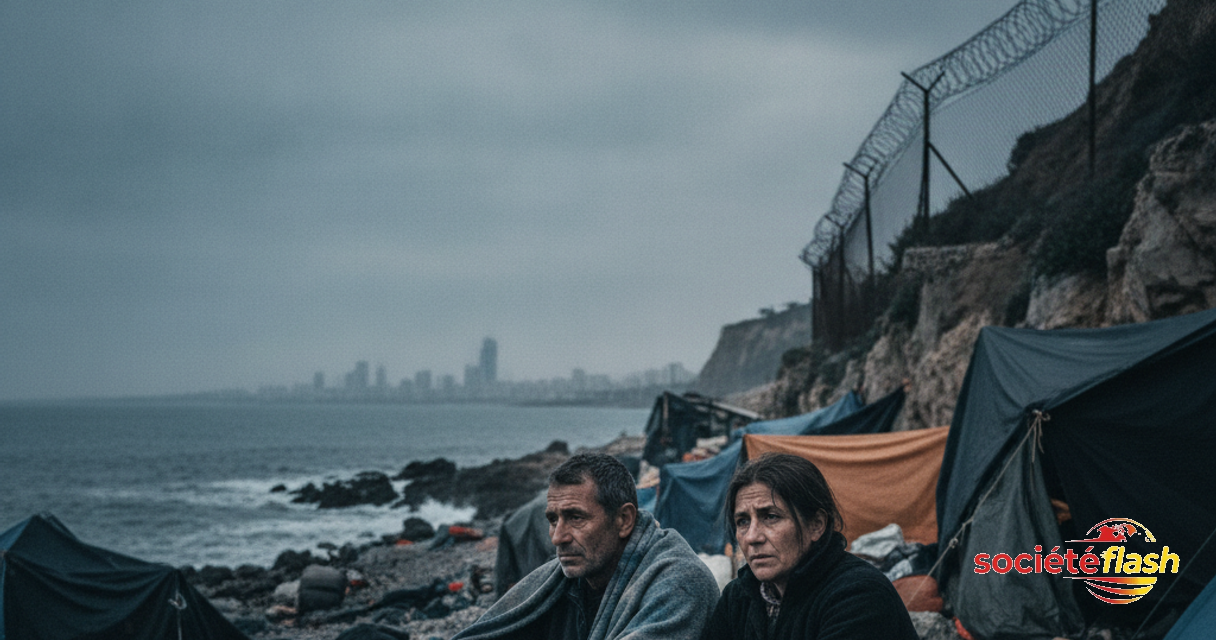
An Overview of the Migrant Crisis in Ceuta
Spanish authorities recently reinforced police presence in Ceuta, an enclave located on the border with Morocco, following rumors of mass migrant arrivals. In late July, between 70,000 and 80,000 migrants attempted to cross the border, though the vast majority were pushed back. Approximately 7,000 remain in Ceuta living in precarious conditions, according to Maria Jimenez, spokesperson for the Elin association. This situation underscores the urgent need for governments to find sustainable humanitarian solutions while respecting migrants' rights.
Discrepancies in figures from different sources add to the complexity of the crisis. Spain's Interior Minister estimates that around 5,000 migrants are in Ceuta, while local leadership puts the figure closer to 8,000. This uncertainty highlights the pressing need for better coordination and resources dedicated to tracking and aiding migrants.
Humanitarian Challenges and Local Responses
Living conditions in Ceuta are especially dire, particularly for unaccompanied minors and asylum seekers. Most arrive from crisis-torn nations such as Sudan, Yemen, and Mali. The Spanish Red Cross estimates the number of asylum seekers at 3,500, distributing daily meals on the beach to monitor their numbers. Furthermore, about 4,000 minors, including 300 unaccompanied young girls, live in makeshift shelters, often relying on the generosity of local residents.
Strategic Opportunities for an Effective Response
Faced with this crisis, it is vital to implement strategies that combine humanity with operational efficiency. Non-governmental organizations and local actors are already playing a critical role by delivering immediate relief, but a more comprehensive action plan is needed to address the root causes and consequences of this migratory phenomenon.
- Strengthen registration and support processes for minors.
- Set up temporary infrastructure to provide shelter and basic medical care.
- Streamline asylum application procedures with the help of translators and legal advisors.
- Foster collaboration between local governments and international organizations for a coordinated response.
These measures can help ease tensions and guarantee respect for migrants' fundamental human rights, while addressing the legitimate concerns of local communities.
Implementation Advice for Key Stakeholders
For those involved in managing the crisis in Ceuta, striking a balance between humanitarian principles and political strategy is essential. First, community engagement must be strengthened to foster solidarity and defuse tensions. Second, transparency in communicating policies and actions is critical to maintaining public trust. Finally, utilizing modern technology for tracking and assessment can significantly improve intervention efficiency.
Through our news portal, Société Flash, we are committed to delivering in-depth analysis and timely updates on the situation in Ceuta. Our expertise in investigative journalism and international trend analysis allows us to offer unique, insightful perspectives, contributing to a clearer understanding of the stakes involved.
Conclusion: The Role of Société Flash
The migrant crisis in Ceuta is a complex challenge requiring a coordinated, humanitarian response from all stakeholders. At Société Flash, we firmly believe that quality reporting is essential to raising public awareness and encouraging decision-makers to take action. By providing comprehensive coverage and detailed analysis, we aim to play a key role in advocating for lasting solutions to this crisis. To learn more about our work or subscribe to our updates, visit our website at Société Flash.
FAQ
What is the exact number of migrants in Ceuta?
Estimates vary, with roughly 5,000 to 8,000 migrants currently in Ceuta, according to different official and non-governmental sources.
Where do most of the migrants come from?
The majority of migrants come from crisis-affected countries, such as Sudan, Yemen, Chad, and Mali, seeking asylum in Europe.
What solutions are proposed to improve the situation?
Proposed solutions include upgrading reception facilities, streamlining asylum procedures, and bolstering support from local and international organizations.
For more information on the situation in Ceuta and other international news topics, read our articles on tensions in the Middle East and the tragedy in Belgium. For an official perspective, you can also visit the Spanish Ministry of the Interior website.
Also Read