Suspected Ebola Case at CHUM: Isolation Lifted
Suspected Ebola case at CHUM resolved as patient tests negative, highlighting the efficiency of Montreal's health protocols.
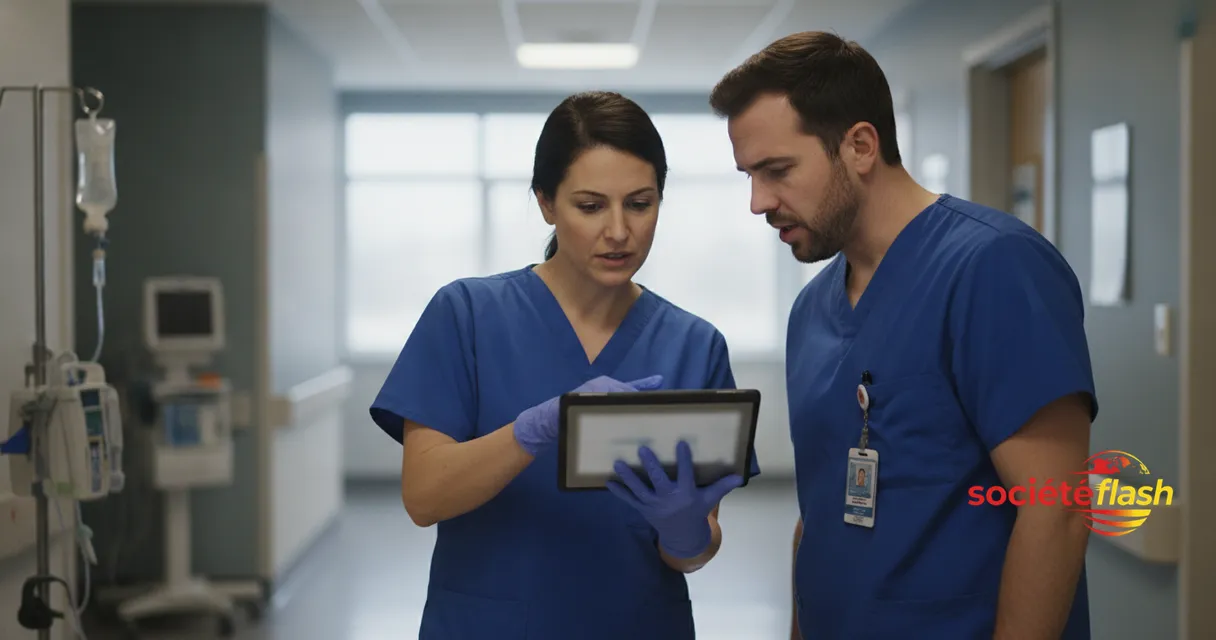
Recently, a suspected case of Ebola at the Centre hospitalier de l'Université de Montréal (CHUM) caused significant concern among Montreal residents. On Thursday afternoon, a suspected case prompted a temporary diversion of ambulances. Thankfully, the isolation of the patient was lifted after tests confirmed she was not infected with the virus. According to Noovo Info, CHUM stated that Ebola protocols would not be activated. This news quickly spread, capturing the attention of many readers seeking detailed and reliable information on the incident.
The Incident at CHUM and Its Implications
The detection of a suspected Ebola case at the University of Montreal Hospital Center led to immediate preventive measures. The aim was to determine if the individual was indeed affected by this fearsome disease. The Ministry of Health reminded the public that the virus, first identified in 1976, has not been reported in Quebec or elsewhere in Canada, highlighting the low probability of these viruses being introduced.
Despite this, the situation required precautionary measures. Ambulances were temporarily diverted to facilitate the transfer of the patient to a specially designated isolation room. These precautions underscore the diligence with which CHUM and health authorities handle such situations.
Causes and Risk Factors
Ebola virus disease is mainly present in sub-Saharan Africa, appearing in outbreaks. However, even during significant epidemics, the number of cases remains relatively low, especially compared to common infections like the flu or COVID-19. Despite this, the severity of the disease, with a mortality rate ranging from 25% to 90%, demands constant vigilance.
Canada has implemented measures, including travel and immigration restrictions, to control any potential risk. As of last Monday, Canada extended these restrictions for an additional 60 days. Nationals from certain countries, such as Uganda or South Sudan, are subject to strict quarantine measures if they have recently traveled to these regions.
Actions and Solutions Implemented
In response to these concerns, CHUM swiftly acted by lifting the patient's isolation after confirming the absence of infection. The use of preventive measures, such as ambulance diversion, allowed the situation to be effectively managed without compromising the safety of other patients and medical staff.
These actions demonstrate the efficiency and responsiveness of local health authorities in crisis management. Transparent communication with the public, as relayed by Noovo Info, helps reassure the population about the control of the situation.
FAQ
How is the Ebola virus transmitted?
The Ebola virus is transmitted through direct contact with the blood, secretions, or other bodily fluids of an infected person, or through contact with contaminated objects.
What are the symptoms of Ebola virus disease?
Symptoms include fever, fatigue, muscle pain, headaches, and sore throat, followed by vomiting, diarrhea, rash, and impaired kidney and liver function.
Is there a treatment for Ebola?
There is no specific approved treatment for Ebola, but timely supportive care significantly improves survival chances. Research efforts to develop vaccines and treatments continue.
Has Canada ever had confirmed Ebola cases?
To date, no Ebola virus disease cases have been confirmed in Canada, although suspected cases have tested negative.
What is Canada doing to prevent the virus's introduction?
Canada has implemented travel restrictions for high-risk countries and requires quarantine for certain travelers to prevent the virus's spread.
Conclusion and Call to Action
In a world where information spreads rapidly, relying on trustworthy sources for accurate and objective news is crucial. At Société Flash, we are committed to providing quality information to keep you informed about major developments in health and news.
To stay updated with the latest news and analysis, visit our news section. Contact us for any questions or to learn more about our services via our contact page.
Also Read