Dassault Tests Sovereign AI in Rafale Fighter Jet
Dassault Aviation tests sovereign AI in the Rafale, enhancing military aviation with AI algorithms that support but do not replace human pilots.
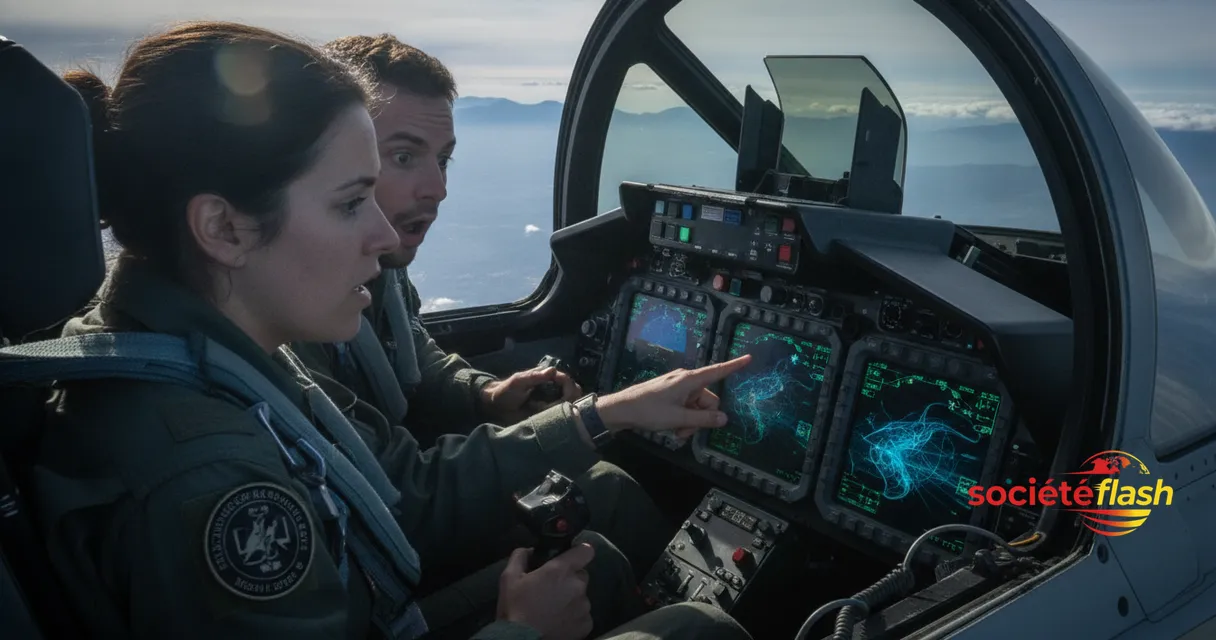
In a groundbreaking development, Dassault Aviation has recently conducted flight tests for two innovative artificial intelligence (AI) algorithms on the renowned Rafale fighter jet. Developed in France, these AI systems aim to assist flight crews without replacing human pilots. With this effort, Dassault tests sovereign AI in the Rafale, underscoring the growing significance of AI in military aviation.
Challenges of Integrating AI in Combat Aircraft Systems
Introducing AI into a combat aircraft like the Rafale presents significant challenges. Unlike adding an app to a smartphone, incorporating AI into a fighter jet requires robust, reliable onboard computing power to process real-time data under demanding conditions. These algorithms need to be both lightweight and efficient, optimizing limited onboard resources.
This complexity is compounded by the need to ensure system safety and reliability in environments where errors could be catastrophic. Dassault emphasizes the necessity of high-quality operational data, derived from real-world situations or simulations, to train and test these new algorithms effectively.
Dassault and Thales: A Strategic Partnership
The development of these algorithms results from a strategic partnership between Dassault Aviation and Thales, initiated in 2025. Thales, leveraging its cortAIx entity, brings extensive AI expertise, employing over 600 specialists and hundreds of PhD candidates annually to work on cutting-edge technologies.
The partnership aims to prepare the necessary technologies for future combat systems while maintaining full control over the data and tools employed. This control is crucial, ensuring technological autonomy in the military domain, where data sovereignty is as vital as technical performance.
AI Serving Human Crews
Dassault asserts that these new technologies are designed to assist rather than replace human pilots. The AI aboard the Rafale can sort information, pinpoint critical elements, and expedite analyses, leaving final decisions to military personnel. This approach ensures that AI remains a tool serving humanity, not a substitute.
For instance, the Rafale's Talios targeting pod is equipped with a neural processor capable of real-time image analysis. According to Thales, this processing is up to 100 times faster than traditional methods, allowing pilots to focus on strategic decisions rather than information retrieval.
Keys to Successful AI Integration
Key solutions are essential for the successful integration of AI in the Rafale:
- Utilizing high-quality operational data to train algorithms effectively.
- Fostering close collaboration across disciplines to understand operational needs deeply.
- Developing resource-efficient algorithms to optimize onboard performance.
These solutions not only enhance the Rafale's capabilities but also ensure the safety and effectiveness of aerial operations.
FAQ
What are the specifics of the algorithms tested by Dassault?
The tested algorithms are designed to assist crews by sifting through information and identifying crucial elements while leaving the final decision to human pilots.
How do these algorithms enhance Rafale's performance?
They enable faster information analysis during flight, thereby improving crew reactivity and efficiency without compromising safety.
Why is technological sovereignty important in this context?
Technological sovereignty ensures that all data and tools used are fully controlled by national entities, reducing risks associated with reliance on foreign technologies.
Conclusion: Towards Smarter Military Aviation
The initiative by Dassault Aviation and Thales to test AI algorithms aboard the Rafale signifies a major step towards smarter and more autonomous military aviation. However, this progress complements rather than diminishes human pilot skills. To explore more about this and other technological innovations, visit our news section or reach out through our contact page to learn more about our services.
For more details on these tests, please refer to the full article on Journal du Geek.
Also Read