Disappointed and Depressed: Youths Drift Toward Ceuta
Discover why disappointed and depressed young Moroccans are hesitating to answer calls to reach Ceuta and what alternatives are available to them.
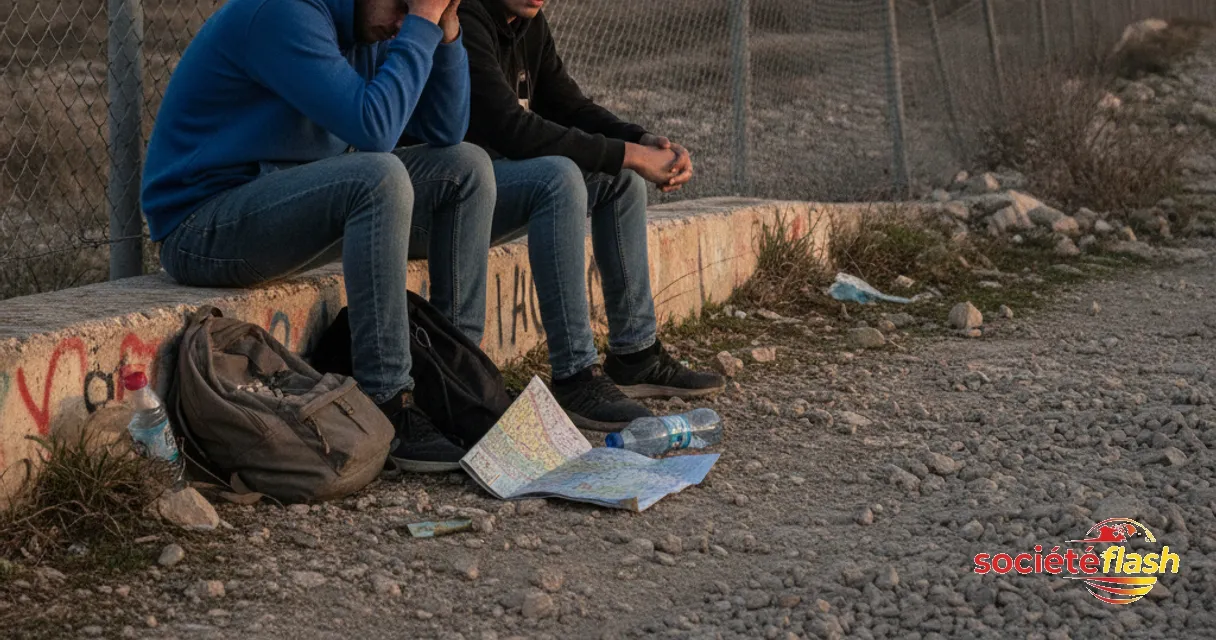
The migration phenomenon toward the Spanish enclave of Ceuta continues to dominate the headlines, despite authorities' efforts to dissuade young people from attempting this perilous journey. Titled “Disappointed and Depressed,” stating they will not answer new calls to cross illegally into Ceuta, this account sheds light on the challenges facing young Moroccans disillusioned by the current situation. This article explores the reasons behind their despair, the risks involved, and possible alternatives for these young people seeking a better future.
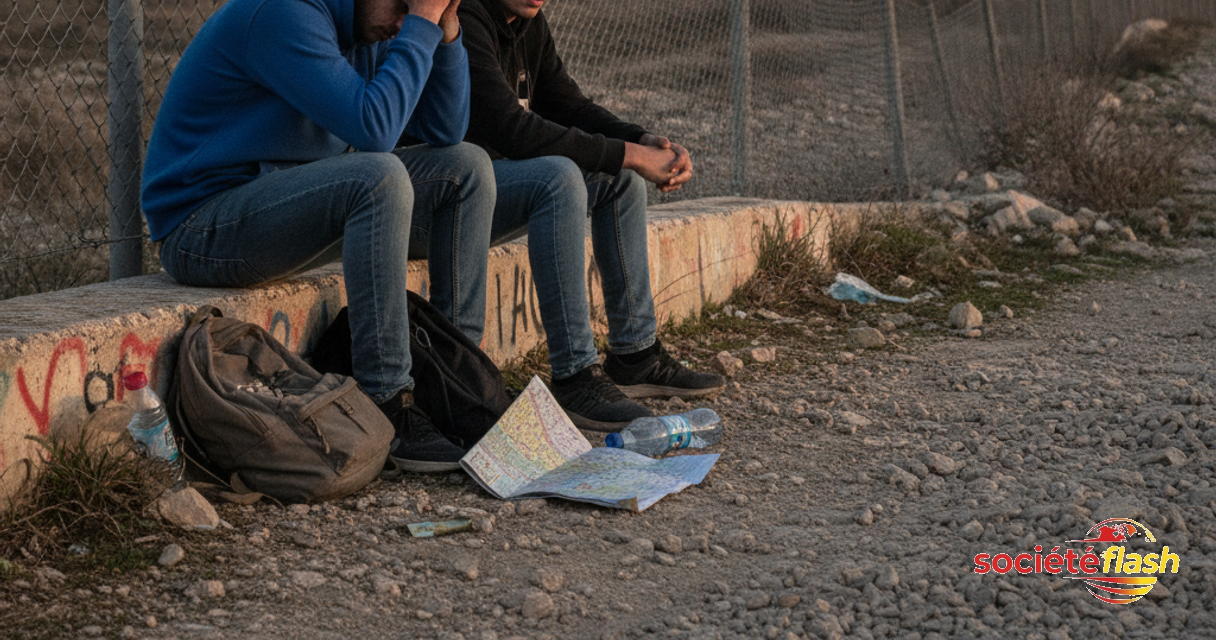
The Motivations Behind Crossing Attempts
Young Moroccans attempting to reach Ceuta are often driven by the pursuit of a better quality of life in Europe. Walid, an 18-year-old, is a clear example of this aspiration. Encouraged by his mother, he took part in a mass crossing attempt toward Ceuta, but his dream quickly turned into a nightmare. Walid lost two friends in the water to tragic drownings. These devastating events only deepened his sense of despair and disappointment.
Despite these hardships, many youths refuse to give up on their European dream. Walid, a former protester with the GenZ 212 movement who speaks three languages, aspires to a better life to start a family and find steady work. These young people see Europe as a place where their efforts will finally pay off.
The Dangers of Illegal Crossings
Attempts to cross into Ceuta are fraught with significant dangers. Lyan, another young man from Fnideq, spent fourteen days in Ceuta before deciding to return home. He describes a precarious existence, forced to live on the streets and survive solely on canned food. These harsh living conditions are just one of the many ordeals these youths must endure.
Stepped-up police patrols in Fnideq are intended to deter these unauthorized crossings. On August 14, police carried out checks and arrests—a response Walid denounces as unjust and futile. In his view, arresting youths is not a solution, but rather an added source of frustration for the younger generation.
Statistics and Comparisons: The Reality of Migration
Migration toward Ceuta is not a new phenomenon, but recent events have highlighted the sheer scale of the crisis. Compared to other regions, youths from Fnideq are especially vulnerable due to their geographic proximity to Ceuta and Morocco's difficult economic climate.
- Geographic proximity: Fnideq is located just a few kilometres from Ceuta, making the crossing tempting despite the obvious risks.
- Economic climate: The lack of opportunities in Morocco drives these young people to look for alternatives elsewhere.
- Incurred risks: Sea crossings are perilous, and police arrests add an extra layer of danger.
Alternatives and Potential Solutions
Faced with this complex situation, finding sustainable solutions for these youths is vital. Expanding economic opportunities in Morocco could diminish the urge to migrate. In addition, strengthening educational and vocational programs could provide new prospects for these disillusioned youths.
Société Flash is a news outlet dedicated to informing the public and raising awareness about these critical issues. As a reader, you can delve further into the initiatives and proposed solutions to tackle this migration crisis.
FAQ: Migration Phenomenon Toward Ceuta
Why are young Moroccans trying to migrate to Ceuta?
Young Moroccans are motivated by the search for a better life in Europe, hoping to find employment opportunities and improved living standards.
What are the main risks associated with illegal migration to Ceuta?
The risks include drowning during sea crossings, precarious living conditions in Ceuta, and arrests by Moroccan and Spanish authorities.
What alternatives exist for these youths seeking a better future?
Alternatives include boosting economic and educational opportunities in Morocco, as well as developing vocational training programs to open new career paths.
What is Société Flash's role regarding this migration issue?
Société Flash informs and raises public awareness about the realities and stakes of migration. It provides in-depth analysis and highlights potential solutions to support the youth involved.
Conclusion: A Call to Action
As many young Moroccans remain “disappointed and depressed,” establishing sustainable solutions is imperative to prevent further tragedies. Société Flash invites you to stay informed and take part in discussions surrounding these vital challenges. To learn more about recent developments and possible courses of action, check out our News section regularly and stay up to date with the latest developments.
For official information on Spanish immigration policies, you can consult the Spanish Ministry of the Interior website.
Also Read