DRC: 15 Prisoners Transferred to AFC/M23 in Key Milestone
DRC: 15 prisoners transferred to the AFC/M23 in a long-awaited operation. A decisive step toward peace in the DRC, supported by the ICRC.
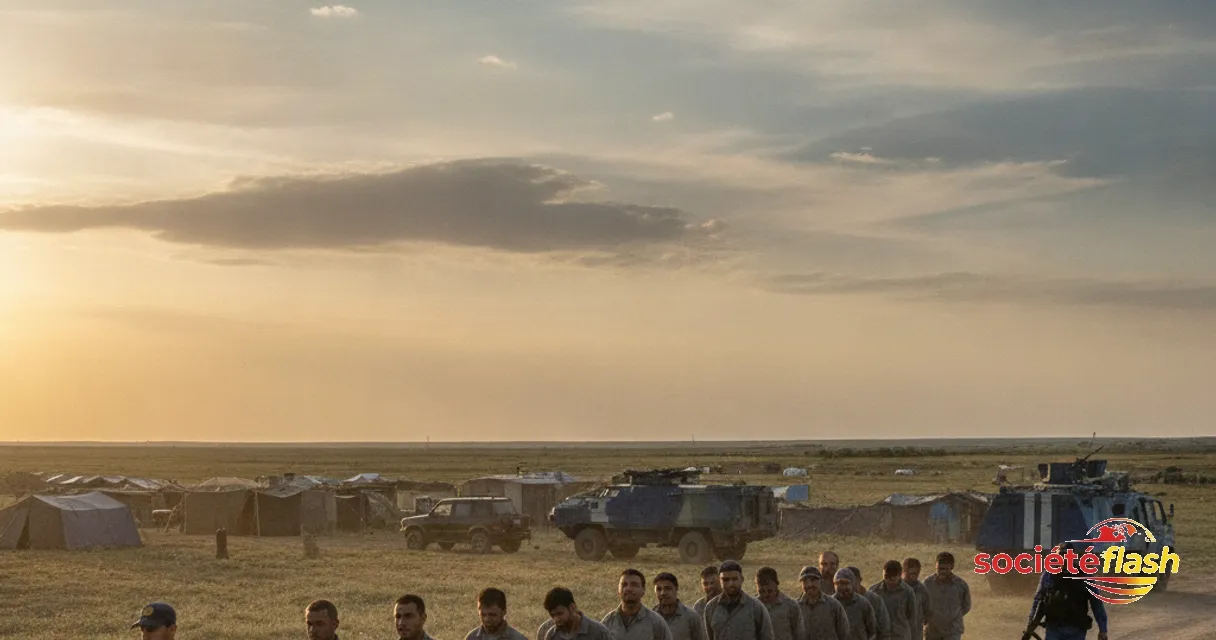
The recent transfer of fifteen prisoners to the AFC/M23 in the DRC marks a crucial milestone in the peace process between the Congolese government and the rebellion. Facilitated by the International Committee of the Red Cross (ICRC), this operation is part of the Doha framework signed in September 2025. With this first concrete release of detainees linked to the rebellion, the process is finally showing tangible signs of progress.
Context and Stakes of the Transfer to AFC/M23
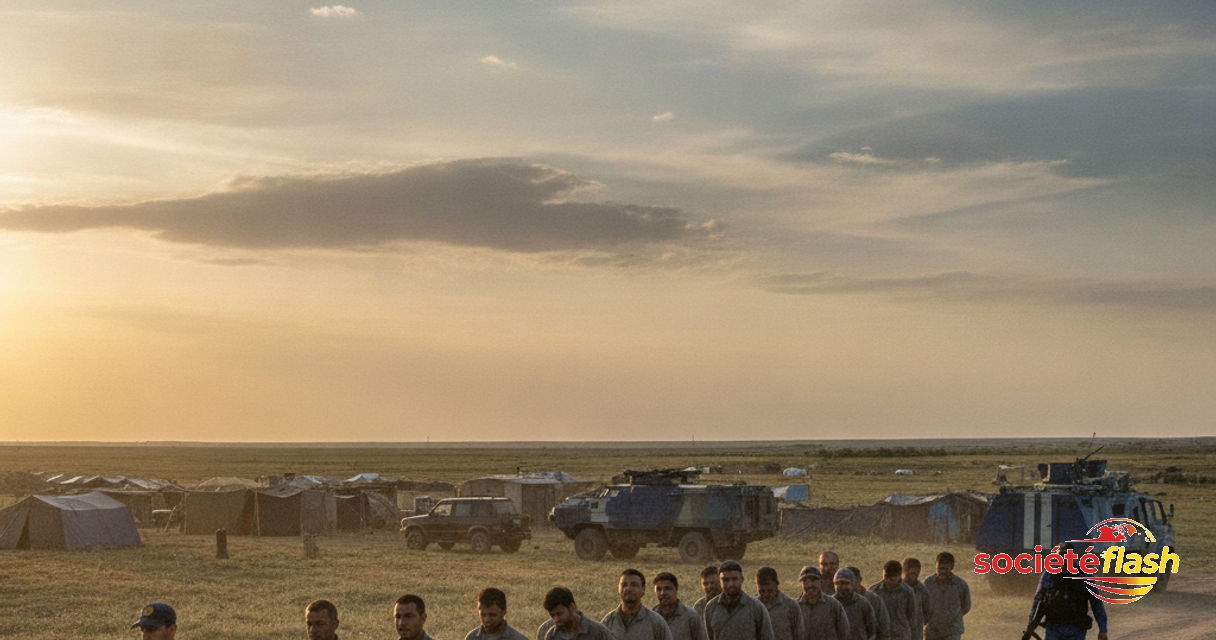
On August 6, 2026, fifteen men left Beni, a city in North Kivu, to be handed over to AFC/M23 authorities in Rutshuru, in the southern part of the province. The transfer, which involved an overnight journey across Ugandan territory, represents the first tangible development since the signing of the Doha agreement. The significance of this operation lies in its ability to test the viability of commitments made by both sides.
This transfer is not an isolated event, but the result of an extensive process. A protocol had been signed in Montreux four months earlier between the AFC/M23 and the ICRC to provide a framework for such operations. However, the path was filled with hurdles, including missed deadlines and logistical constraints.
Reasons Behind the Delays
Several factors contributed to the delays in carrying out this prisoner transfer. First, there were major logistical hurdles. Safely transporting the detainees from Kinshasa to Beni was fraught with challenges, and coordination among the various stakeholders was far from seamless.
In addition to logistical constraints, political disagreements also stalled the process. Skepticism within the government, particularly within President Félix Tshisekedi's inner circle, slowed progress. Concerns remain regarding a potential infiltration strategy by the AFC/M23, fueling heightened distrust and a strict adherence to established protocols.
Solutions to Break the Deadlock
To overcome these obstacles, several options are available to the stakeholders. First, improving communication and coordination among all parties is essential. As a neutral mediator, the ICRC plays a vital role in establishing verified lists of detainees and facilitating transfers.
Furthermore, legal and administrative roadblocks must be resolved. Efforts are needed to harmonize procedures and ensure that every detainee is transferred under a clear legal framework recognized by all parties.
Impact on Peace in the DRC
The transfer of these fifteen prisoners serves as a real-world test for the DRC peace process. If successful, it could pave the way for additional releases and strengthen trust between the government and the AFC/M23. However, significant challenges remain, and both sides must continue working together to overcome future hurdles.
This success could also yield positive ripple effects across other fronts. For instance, tensions in other regions could ease if similar conflict-resolution mechanisms are adopted, as seen with tensions in the Middle East.
FAQ
Why is this transfer so significant?
This transfer is the first of its kind since the signing of the Doha agreement, representing a concrete step toward peace and reconciliation in the DRC.
What were the main obstacles encountered?
Obstacles included logistical challenges, political disagreements, and legal constraints that slowed down the overall process.
How does the ICRC contribute to this process?
The ICRC serves as a neutral mediator, facilitating the transport and handover of detainees while ensuring established protocols are respected.
What are the potential impacts of this transfer?
If successful, this transfer could build trust between the parties and open the door to further releases, contributing to regional stability.
What lies ahead?
With better coordination and the removal of legal bottlenecks, further progress is achievable within the DRC reconciliation process.
Conclusion
The transfer of fifteen prisoners to the AFC/M23 is a symbolic operation that could chart a path toward lasting peace in the DRC. While challenges persist, the commitment of stakeholders and the ICRC's critical role offer a glimmer of hope for the future. To stay updated on this developing situation and other global news, visit Société Flash regularly. Don't miss our latest analysis and exclusive reports. Learn more about this operation here.
Also Read