Earthquake in Colombia: Death Toll Rises to 240, Over 1,300 Injured - ici.radio-canada.ca
Discover our analysis of the Earthquake in Colombia: death toll rises to 240, over 1,300 injured - ici.radio-canada.ca with Société Flash.
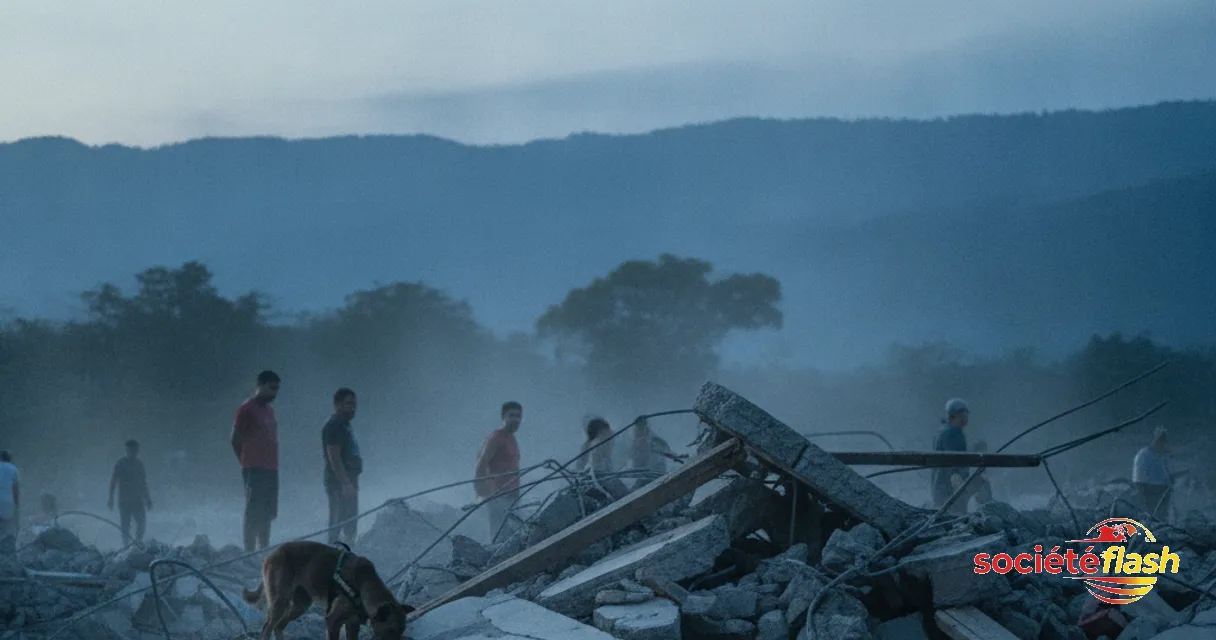
The ground shook with unprecedented violence, leaving behind a landscape of devastation and countless families in absolute anguish. Given the scale of the tragedy, the headline Earthquake in Colombia: death toll rises to 240, over 1,300 injured - ici.radio-canada.ca quickly spread across the globe, sparking deep emotion worldwide. At Société Flash, we understand that access to reliable, prompt, and nuanced information is crucial during such catastrophes. Our news portal is dedicated to providing in-depth analysis of major global events. Whether tracking complex rescue operations in South America or understanding the economic fallout of a disaster of this scale, our editorial team breaks down the news for you. We turn the constant flow of raw data into structured, meaningful reporting.
In a world where news travels at lightning speed, it is easy to feel overwhelmed by the sheer volume of data. Natural disasters require rigorous journalism free from sensationalism. That is precisely the mission of Société Flash. We position ourselves as your trusted guide through complex news events. By turning to our platform, you choose verified information, updated in real time and enriched by expert perspectives. Our goal is to give you all the tools to understand global issues while staying connected to the local realities shaping our world.
Understanding the Event: Earthquake in Colombia: Death Toll Rises to 240, Over 1,300 Injured - ici.radio-canada.ca
The recent earthquake that struck the region caused widespread destruction, serving as a stark reminder of the vulnerability of infrastructure in the face of nature's power. The initial hours following a tremor are always the most critical for search and rescue crews. First responders work tirelessly, combing through rubble in search of survivors. This race against time is frequently hindered by hazardous aftershocks and challenging weather conditions. International coordination then becomes essential to deliver emergency relief, medical supplies, and food to affected populations.
On the ground, the situation changes by the hour. Local authorities are working closely with non-governmental organizations to assess the full extent of the damage. Relying on recognized institutions for accurate data is vital. For instance, the ongoing efforts of the International Committee of the Red Cross help organize humanitarian aid and provide vital psychological support to victims. These joint efforts reflect the global solidarity that emerges during major tragedies and highlight the importance of seamless logistics.
For Société Flash readers, understanding the mechanics behind this solidarity is key. We analyze not only the raw facts, but also long-term reconstruction strategies. How do governments finance recovery? What new seismic construction standards are being considered? By exploring these questions, we offer a comprehensive, informed perspective that goes far beyond the initial tragic numbers. We consult seismologists, civil engineers, and crisis management experts to deliver thorough reports. This multidisciplinary approach is Société Flash's hallmark, ensuring every article genuinely deepens your understanding of today's key issues.
Essential Questions to Ask During Crisis News Coverage
When a crisis of this magnitude occurs, the public is often bombarded with conflicting reports. Taking a critical approach is the first step toward staying properly informed. At Société Flash, we encourage our readers to ask the right questions before sharing information. This analytical mindset helps filter out rumours and focus on verified facts—an essential skill in our hyper-connected society.
How Can Casualty Figures Be Verified?
Numbers released in the opening hours of a disaster are rarely final. They fluctuate as more victims are discovered and survivors are pulled from the debris. It is therefore crucial to follow regular updates issued by official authorities. On our portal, we cross-reference government sources with independent news agency reports. This journalistic rigor ensures you receive information that reflects the true reality on the ground, without exaggeration or understatement.
What Role Do the Media Play in Crisis Management?
The media act as a catalyst for mobilizing international relief. Responsible coverage can accelerate the dispatch of funds and personnel. Conversely, inaccurate reporting can trigger unnecessary panic. Tragic accidents, such as when a school bus hit by a train at a level crossing makes headlines, demand ethical reporting that respects victims. The same standard applies to large-scale natural disasters that impact entire nations.
How Do Crises Influence Regional Geopolitics?
A natural disaster never occurs in a political vacuum. It can exacerbate pre-existing tensions or, conversely, foster an unexpected diplomatic truce for humanitarian reasons. Much like how Israeli strikes in Lebanon threaten the truce with the United States, managing international aid can quickly become a complex power struggle. Société Flash excels at analyzing these underlying dynamics, helping you connect the dots for a broader global perspective.
Best Practices for Following Earthquake Developments
Staying effectively informed during a crisis requires discipline. Information overload looms for anyone inundated with smartphone alerts. To minimize anxiety while staying up to date, healthy news consumption habits are essential. Société Flash assists you by providing clear summaries and well-structured feature reports. Taking digital breaks is vital to protect mental health when faced with distressing images. Setting specific times throughout the day to check the news helps you regain control over your media consumption.
Diversify Sources with Care
Consulting multiple outlets is recommended to get a complete picture of the situation. However, this diversification should be limited to reliable sources. Established news agencies, national newspapers, and specialized portals like ours provide a solid foundation. Be wary of obscure websites that rely on sensationalism for clicks at the expense of accuracy. Take time to verify the author's credentials and the outlet's editorial standards. Quality reporting requires time and resources; be cautious of instantaneous alerts that lack vital context.
Avoid Misinformation Pitfalls on Social Media
Social platforms are often flooded with false claims during disasters. Old footage from past earthquakes is sometimes recycled to drive artificial engagement. Caution is necessary across all social channels. Recently, on Instagram, a new scam trend has been making waves, proving that online vigilance is essential regardless of the topic. Always verify the date, source, and context of media files before sharing them.
Rely on Dedicated News Portals Like Société Flash
By making Société Flash your primary source, you benefit from expert news curation. Our team filters out digital noise to deliver only what matters. We provide context for breaking dispatches, helping you grasp root causes and long-term implications. This added value is what defines our reputation among engaged readers who want to look beyond sensational headlines.
Comparing News Sources During a Crisis
To choose the best way to stay informed, comparing available media channels is helpful. Each outlet has its strengths and limitations in the urgency of a natural disaster. Here is a comparative overview to help optimize your daily news consumption.
Key differences across media channels include:
- Traditional Media (TV and Radio): Excellent for live coverage and on-the-ground correspondents. However, their format often repeats the same footage on a loop, which can heighten viewer anxiety and lack in-depth analysis.
- Social Media: Offers unmatched speed and unfiltered eyewitness accounts. The downside is the complete lack of editorial oversight, leaving the door wide open to rumours, conspiracy theories, and widespread misinformation.
- Specialized Digital Portals (like Société Flash): Combines the agility of digital media with traditional journalistic standards. We provide in-depth reporting, regular updates, and historical context—the ideal balance for discerning readers seeking thoughtful coverage.
Whether tracking a complex humanitarian crisis or a unique event like a new record of Everest climbers in a single day, analytical depth makes all the difference. Société Flash is committed to maintaining high editorial standards across all sections, from international politics to major breaking news.
FAQ on Natural Disaster Coverage
Why do casualty figures change so rapidly?
During a major earthquake, communications are often severed and affected regions become inaccessible. Early tolls reflect only victims accounted for in central urban areas. As rescue workers clear debris and reach remote villages, the number of casualties inevitably climbs. This is a tragic yet standard reality of disaster management.
How does Société Flash ensure the accuracy of its reporting?
Our newsroom follows strict fact-checking protocols. We do not publish reports without confirmation from at least two independent, credible sources. Furthermore, our reporters regularly update articles to reflect unfolding developments, clearly displaying the latest timestamp for complete transparency.
Where can I find real-time emergency updates?
For real-time operational updates, follow official accounts of civil protection agencies and interior ministries of the affected nation. At Société Flash, we frequently integrate these official bulletins into our live coverage to centralize useful updates for readers and affected families.
How can I support relief efforts from abroad?
The most effective way to help is through monetary donations to established humanitarian organizations already active on the ground. Material donations are often difficult to ship and can clog local supply chains. Our portal regularly shares verified non-profit lists to direct your contributions safely and maximize their impact.
Conclusion: Stay Informed with Société Flash
In a changing world, staying accurately informed is not just a need—it is a civic responsibility. The human tragedies caused by natural disasters underline the necessity for fair, measured, and respectful journalism. At Société Flash, our editorial vision is built on these core values. We reject clickbait in favour of depth and nuance because we know our readers seek the truth beyond the headlines. Our commitment is clear: complete editorial independence and full transparency in our work. In a fragmented media landscape, Société Flash stands as a beacon of reliability.
Stay one step ahead with Société Flash. Do not let algorithms dictate the stories you see. Take charge by exploring our coverage across economics, geopolitics, environmental issues, and tech innovations. Choose journalistic quality and join our community of informed readers. Visit Société Flash daily to follow major international developments. Reach out to our editorial team with your feedback, or subscribe to our free newsletter today to receive essential news delivered straight to your inbox.
Also Read