Ensuring Security in Electric Vehicle Charging Stations
Explore the latest security challenges and solutions for electric vehicle charging stations in 2026.
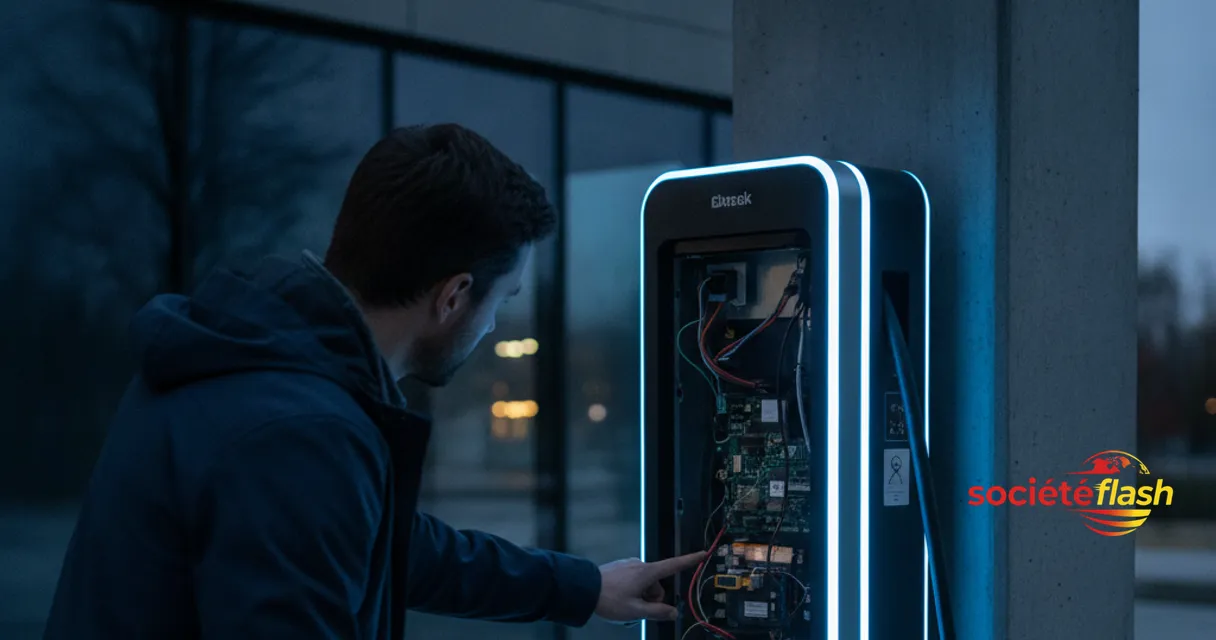
The rapid rise of electric vehicles (EVs) has brought about a significant increase in the number of charging stations worldwide. However, these EV charging stations are not without their security challenges. A study by Flare indicates that many of these stations are vulnerable to cybersecurity threats, leaving sensitive user data and remote management systems exposed to potential risks. This issue highlights the urgent need to address security in critical infrastructures as the shift towards e-mobility accelerates.
Current Trends in EV Charging Security
As electric vehicles gain popularity, the number of charging stations has grown exponentially. Yet, the security measures in place at these facilities often fall short. Flare's research shows that out of 1,000 charging stations analyzed, 72% allowed unencrypted connections, meaning data transmitted over these networks could be intercepted by malicious actors. This vulnerability is exacerbated by the fact that these stations are connected to both the power grid and the internet, often managed through the OCPP (Open Charge Point Protocol). While OCPP is vital for communication between chargers and management systems, earlier versions like OCPP 1.6 are still widely used despite their security limitations.
Strategic Opportunities for Enhanced Security
Addressing these challenges opens up strategic opportunities to improve the security of EV charging stations. Implementing robust security measures is crucial. Flare recommends using TLS (Transport Layer Security) to encrypt data exchanges, removing management interfaces from public internet access, and isolating charging stations from other IT networks. Furthermore, transitioning to newer versions of the OCPP, such as OCPP 2.0.1 or 2.1, which include certificate-based security mechanisms, could significantly mitigate risks. Operators should also consider using VPNs or private networks to secure communications between stations and management systems.
Practical Tips for Effective Implementation
For operators seeking to secure their charging infrastructures, here are some practical tips:
- Regular Security Assessments: Conduct frequent security audits to identify and fix potential vulnerabilities.
- Continuous Training: Educate staff on recognizing and responding to cybersecurity threats.
- Adoption of Modern Technologies: Utilize modern security technologies, such as TLS encryption and digital certificates, to protect user data.
- Collaboration with Experts: Partner with cybersecurity experts to develop strong protection strategies.
By implementing these measures, operators can significantly reduce the risks associated with using electric vehicle charging stations.
Securing the Future of Charging Infrastructure
With the increasing adoption of electric vehicles, ensuring the security of charging infrastructures is paramount. Electric vehicle charging stations often have security gaps that require immediate attention. By implementing appropriate security solutions, we can protect users and ensure the longevity of these critical systems. At Société Flash, we are committed to providing detailed and accurate information on current cybersecurity challenges across various sectors. To learn more about our services and how we can help you navigate these challenges, please contact us. Together, let's safeguard the future of electric charging technologies.
FAQ
Why are electric vehicle charging stations vulnerable?
Charging stations are vulnerable mainly due to unsecured connections and outdated communication protocols like OCPP 1.6, which lack advanced security mechanisms.
Which countries are most affected by these vulnerabilities?
According to Flare's study, Germany, the United States, and France have a high number of vulnerable stations. However, this list is not exhaustive as it only includes detected systems.
How can the security of charging stations be improved?
Adopting newer versions of the OCPP, using TLS encryption, and securing access to management interfaces are recommended. Isolating stations from other IT networks is also crucial.
What role does Société Flash play in this context?
Société Flash provides information and advisory services on security issues in the IT sector, helping companies navigate an ever-evolving technological landscape.
Where can I find more information on this topic?
For more details, visit our News section or the original article published by Journal du Geek.
Also Read