Fall of Kabul on August 15, 2021: A Tragic Turning Point
Explore the Fall of Kabul on August 15, 2021: a Western debacle and a condemned people. An analysis of the aftermath with Société Flash.
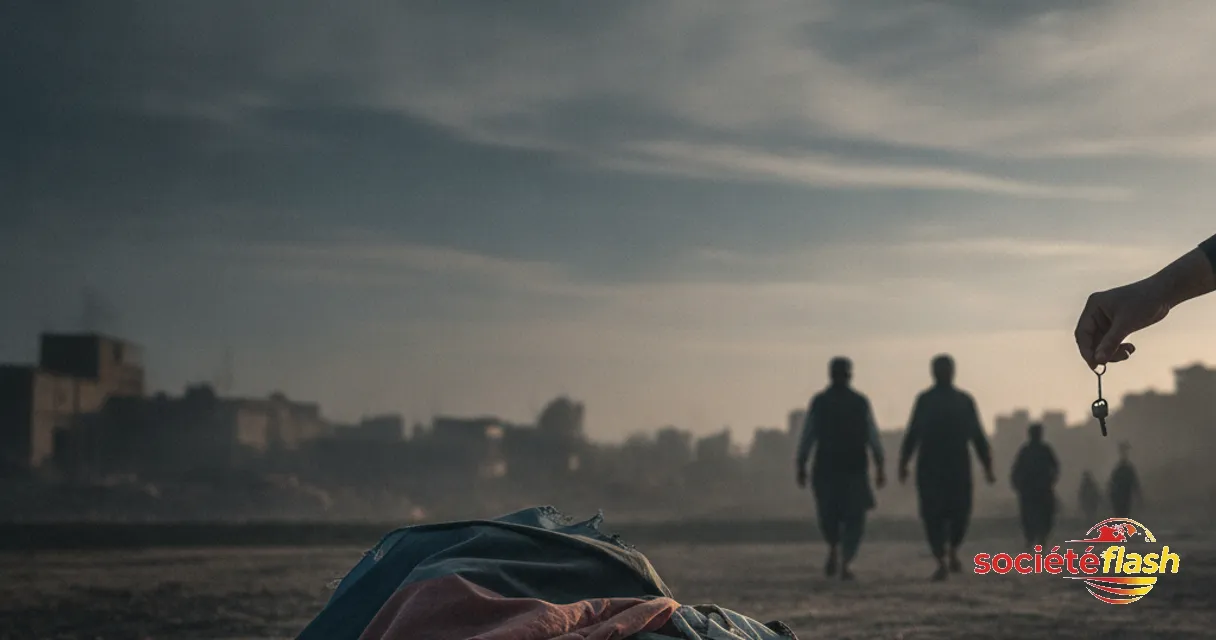
The Fall of Kabul on August 15, 2021: A Western Debacle and a Condemned People marked a dramatic turning point in modern Afghan history. On this date, the Taliban regained control of Kabul following a rushed and disorderly withdrawal of American forces, leaving the Afghan population—particularly women—in a desperate situation. This event represents a major debacle for the West and underscores the failure of two decades of military intervention.
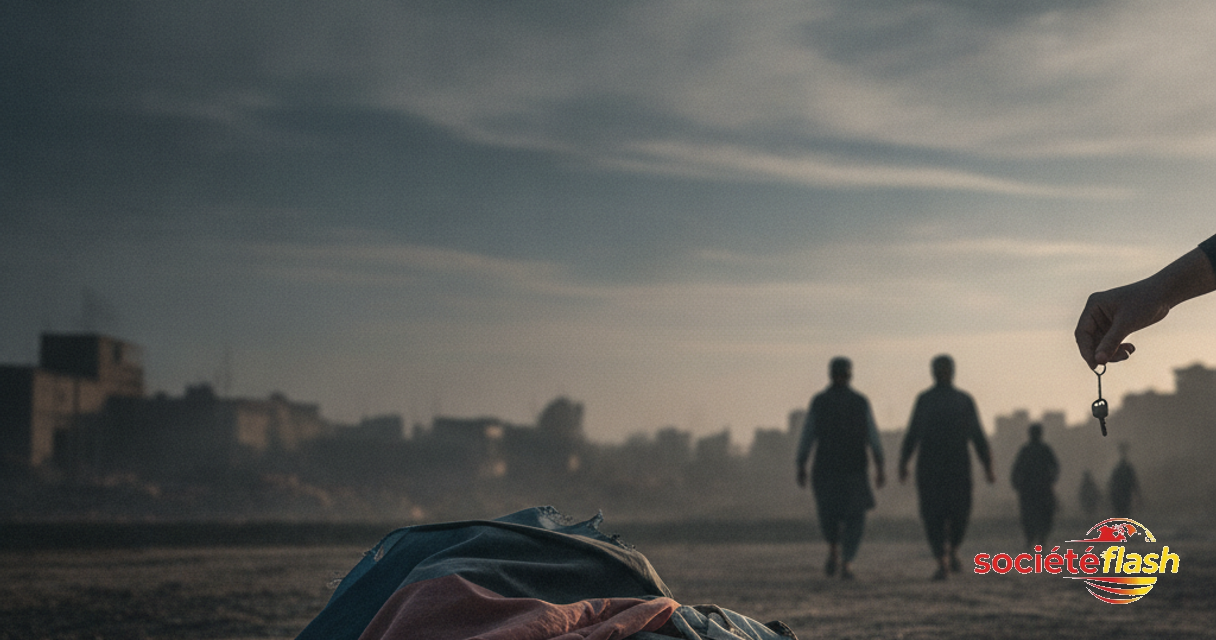
Fall of Kabul: The Rise of the Taliban and the Chaotic Western Withdrawal
On August 15, 2021, the Taliban captured Kabul against all expectations, bringing an end to Operation Freedom's Sentinel and NATO's Resolute Support Mission. Afghan President Ashraf Ghani fled abruptly, and American forces expedited their departure amid widespread confusion. This situation was exacerbated by an agreement signed in February 2020 between Donald Trump and the Taliban, which provided for the withdrawal of U.S. troops in exchange for the Taliban's commitment to prevent al-Qaeda from operating on Afghan soil.
Although the Doha Agreement enabled a formal withdrawal of American forces, it left Afghanistan vulnerable to a swift Taliban takeover. Consequently, the withdrawal became chaotic, marked by desperate scenes at Kabul Airport where thousands of Afghans attempted to flee the country, with some even clinging to departing aircraft.
Strategic Errors of the Western Intervention
Several strategic errors led to this failure. First, excluding the Afghan government from the Doha negotiations undermined its legitimacy and its capacity to govern without Western support. Second, the Western intervention underestimated the resilience and long-term strategy of the Taliban, who, despite decades of war, succeeded in retaking power in Kabul.
The inability to anticipate the rapid collapse of the Afghan military and state was acknowledged by top Pentagon officials as a strategic failure. The Taliban, conversely, leveraged this victory to consolidate their legitimacy both nationally and internationally.
Consequences for the Afghan Population
With the Taliban's return to power, Afghanistan has witnessed a significant regression in human rights, especially for women. The Taliban established a regime rooted in a strict interpretation of Sharia law, curbing civil and individual liberties.
- Women have been excluded from numerous areas of public and professional life.
- Freedom of expression has been severely restricted.
- Basic public services have become virtually inaccessible for the majority of the population.
Despite reductions in corruption and opium poppy cultivation, these measures have been vastly overshadowed by the social and political repression enforced by the Taliban regime.
Lessons for the Future
The collapse of Afghanistan under Taliban rule offers critical lessons for future foreign interventions. It is crucial that any intervention considers not only military objectives, but also long-term political and social implications. Involving all local stakeholders in peace processes remains essential to ensuring the stability and legitimacy of the governing authority.
For Western nations, this failure raises fundamental questions about the efficacy of unilateral military interventions and the need for more inclusive, sustainable strategies to stabilize conflict regions.
FAQ
Why did the United States and its allies fail in Afghanistan?
The failure is attributed to strategic missteps, such as excluding the Afghan government from peace talks and underestimating the Taliban's resilience.
What are the consequences for Afghan women under the Taliban regime?
Afghan women have seen their rights severely curtailed, facing drastic restrictions in access to education, employment, and public life.
How does the Taliban finance its regime without international aid?
The Taliban has managed to maintain a streamlined administration by collecting customs revenues and reducing internal administrative corruption.
Conclusion
The 2021 fall of Kabul remains a poignant reminder of the complexities of international interventions and their enduring repercussions. To stay informed on global geopolitical developments and in-depth analyses, visit Société Flash. Our news portal, directed by Raphaël Graven, offers unique perspectives on global events. Explore our section dedicated to world news to stay at the forefront of international affairs. For further insights into the impact of these events, consult reports from the UN.
Also Read