France's 2026 Wood Heating Ban: Impacted Areas
Discover the 2026 wood heating ban in France, understand the affected areas, and learn how to comply with new regulations.
In 2026, France is expanding its ban on wood-burning heating systems, affecting numerous communities across the country. Residents in these areas need to understand which towns are impacted and what steps they can take to comply with the new regulations. This article explores the affected regions, the reasons behind the bans, and how Société Flash can assist you in adapting to these changes.
France's Wood Heating Ban: Affected Areas in 2026
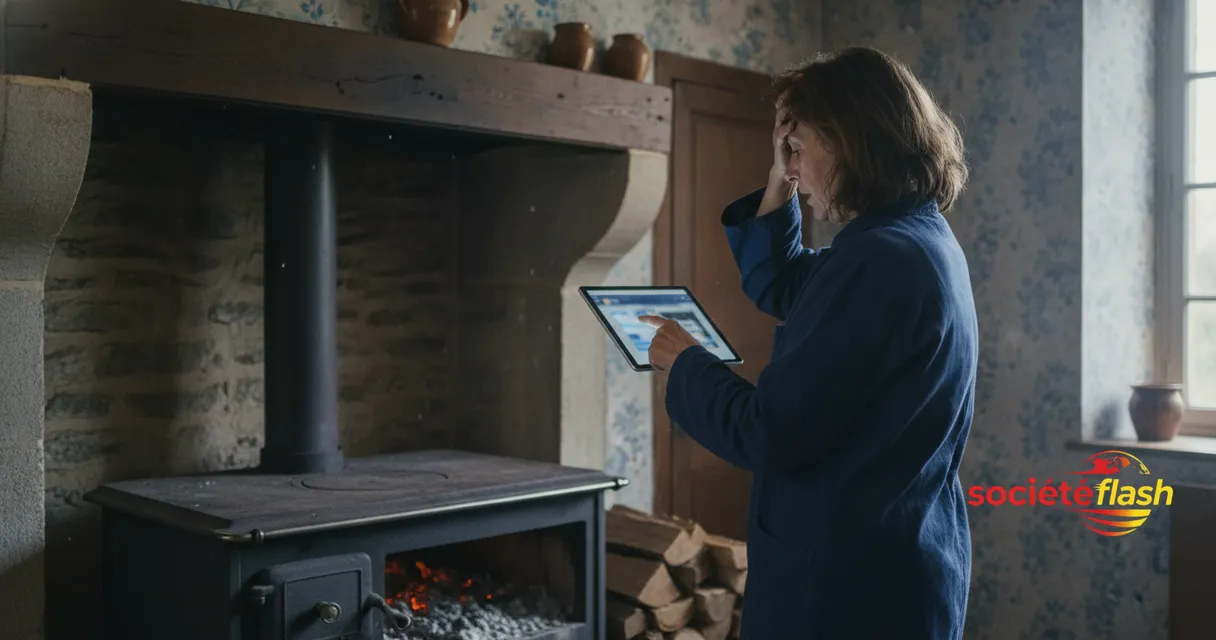
As of early 2026, several French communities face strict restrictions on wood-burning heating appliances. These measures aim to reduce fine particulate emissions, a major contributor to air pollution. For instance, starting November 1, 2026, Lille will prohibit the use of open fireplaces. This move is part of a broader initiative already implemented in other regions, such as the Lyon metropolitan area and the Isère department.
Understanding the Reasons Behind the Ban
The wood heating bans aim to improve air quality in affected zones. In Isère, for example, wood heating accounts for nearly 70% of annual PM2.5 fine particle emissions. Open fireplaces, which have an efficiency of only 10 to 15%, are particularly targeted. In contrast, modern appliances labeled with the Flamme Verte certification offer much higher efficiency, reaching 70 to 80%.
Environmental Impacts
Burning wood in open fireplaces significantly contributes to air pollution, adversely affecting public health. Fine particles can penetrate deep into the lungs and cause various respiratory issues. These bans directly address both environmental and health concerns.
Community Regulations and Specific Rules
Numerous communities, particularly in regions like Isère, are subject to these regulations. In Isère alone, 297 communities are affected, with specific rules for each group. In areas like Grenoble Alpes Métropole, stoves and inserts installed before 2002 have been banned since January 1, 2026. In other towns, open fireplaces were also banned on the same date, with a phased ban on older appliances planned between 2026 and 2030.
- Grenoble Alpes Métropole: Ban on open fireplaces and appliances prior to 2002.
- Bièvre Est: Open fireplaces banned starting 2026.
- Métropole Européenne de Lille: Open fireplaces banned from November 2026.
For a complete list of communities and their specific rules, check out the full article on Journal du Geek.
Assistance Available for Transitioning
To help residents comply with the new regulations, various local authorities offer subsidies for replacing old appliances. In Isère, for example, grants up to 2,400 euros are available to replace outdated stoves with more efficient, less polluting models.
The Lille metropolitan area also offers assistance for appliance replacements, although specific amounts are yet to be confirmed. These subsidies can often be combined with other aids, such as MaPrimeRénov', to maximize financial support for affected households.
FAQ
Which communities are affected by the ban?
Hundreds of communities, primarily in Isère, the Lyon metropolitan area, and the Lille metropolitan area, are affected by the wood heating ban, mainly targeting open fireplaces and older appliances.
What types of appliances are banned?
The bans primarily target open fireplaces and stoves or inserts installed before 2002. Modern appliances with a Flamme Verte label are generally not affected.
What are the penalties for non-compliance?
Using a banned appliance can result in fines ranging from 135 to 450 euros, and up to 1,500 euros in some regions like Lille.
Are there exceptions to the ban?
Yes, an open fireplace equipped with a device ensuring at least 45% efficiency can still be used. Installing an insert in an existing chimney is also allowed.
How can I benefit from available aids?
Residents can inquire at their local town hall or prefecture for information on available aids, such as the Prime Air Bois or other local subsidies.
Conclusion
These bans aim to reduce air pollution while providing solutions for affected residents. At Société Flash, we are committed to keeping you informed and guiding you through these changes. For more on environmental news and local policies, visit our News section, or contact us for any questions.
Also Read