Is France Facing a New May '68? A Look at the Protests
Explore if France is facing a new May '68 as youth-led protests evoke past events. Discover the motivations and what's next for the movement.
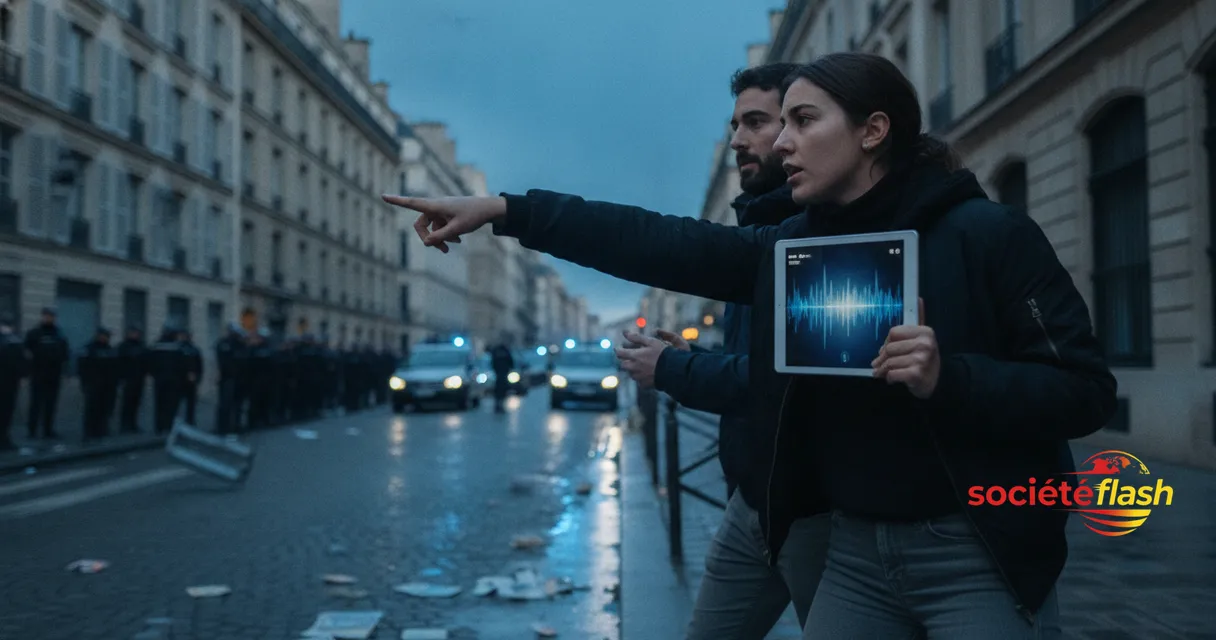
As France navigates a period of significant unrest, the question arises: is France facing a new May '68? Recent protests, prominently led by high school students across the nation, bring to mind the events of May 1968. What began in Créteil has grown in scale, capturing both national and international attention.
The Motivation Behind the Movement
The French youth are at the forefront of these demonstrations, articulating concerns that stretch beyond the realm of education. Their demands encompass a wide array of issues such as artificial intelligence dominance, climate change denial, and increasing poverty levels. These concerns highlight a deep dissatisfaction with the current state of the world.
Rejecting the Status Quo
The movement is fueled by a widespread rejection of existing policies and a call for systemic change. Today's generation is no longer satisfied with superficial reforms but demands a meaningful revaluation of their future. They are calling for immediate action against climate change and stringent regulation of artificial intelligence.
The Role of Youth
Historically, youth have often sparked social change. Recent events indicate this tradition continues, with young people voicing their intent to shape their future. The widespread mobilization, underscored by signs reading “May 1968-October 2026,” reflects a clear desire to revolt against the current situation.
Comparisons to May 1968
For many, the events of 2026 inevitably echo May '68, a time when France experienced a wave of protests that left an indelible mark on the country. But what are the similarities and differences between these two movements?
- Mass Participation: In both 1968 and today, hundreds of thousands have taken to the streets.
- Nature of Demands: While May '68 was focused on workers' rights and consumer society, 2026 highlights environmental and technological concerns.
- Political Context: Jean-Luc Mélenchon, leader of La France insoumise, sees this movement as a political opportunity, much like how leaders sought to capitalize on May '68.
For more historical insights and their repercussions, visit our news category.
Key Players in the Movement
Recent events have brought forth several prominent figures and influential groups shaping the movement's discourse and actions. Among them, Jean-Luc Mélenchon stands out with his fiery rhetoric, hoping this "youth anger" propels him to the Élysée Palace.
Jean-Luc Mélenchon and La France insoumise
Mélenchon, the candidate for La France insoumise, sees a unique opportunity in this movement to galvanize political support. By positioning himself as a champion of the youth, he aims to convert this dynamic into political capital.
The Impact of Student Organizations
Student unions and high school organizations also play a crucial role by mobilizing and organizing demonstrations across the country. Their influence is evident in the coordination of efforts and dissemination of key messages.
What Lies Ahead for the Movement?
As the movement continues to grow, many wonder what the next steps will be. Will the protests lead to tangible changes, or will they fizzle out like so many before them?
Possible Scenarios
Several outcomes are possible:
- Political Reforms: If the protests persist and intensify, the government might be compelled to enact significant reforms.
- Shift in Public Discourse: Even if legislative changes are not immediate, the movement could have a lasting impact on public discourse and political priorities.
- Political Co-option: As in 1968, political figures may attempt to harness this energy for their personal gain.
For insights into France's political prospects, explore our analysis articles. For official perspectives, visit the French government's site.
FAQ
Is the current movement truly comparable to May '68?
There are similarities, particularly in terms of massive mobilization and rejection of the status quo. However, the causes and context differ significantly, with a greater focus on the environment and technology in 2026.
What role do political figures play in this movement?
Figures like Jean-Luc Mélenchon are attempting to capture the movement's energy to support their political agendas, hoping to rally the youth for electoral gains.
Are the protests likely to intensify further?
While it's challenging to predict the exact trajectory of the movement, ongoing mobilization and youth engagement suggest it could continue to gain momentum.
Conclusion
So, is France facing a new May '68? Recent events show a committed youth, ready to fight for their future. To stay updated on this and other news, regularly visit Société Flash. For inquiries or to get in touch, please visit our contact page.
Also Read