Frankenstein: The Birth of Science Fiction
Explore Mary Shelley's "Frankenstein," the foundational novel of modern science fiction, and its enduring impact on literature and ethical debates.
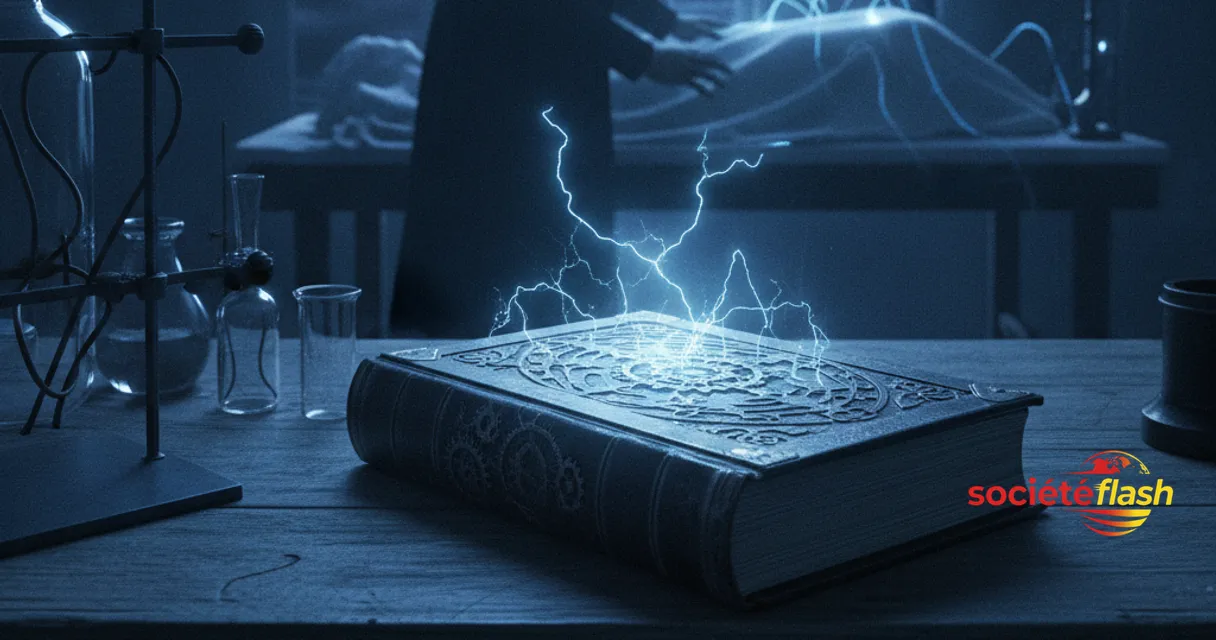
Mary Shelley's novel "Frankenstein," published in 1818, is widely hailed as the genesis of modern science fiction. Unlike prior works of fantastic fiction, where horror stemmed from supernatural elements, Shelley rooted her narrative in the realm of science itself. This visionary piece raises enduring questions that continue to haunt the genre to this day.
Exploring the Impact of "Frankenstein"
Often associated with Gothic literature, alongside authors like Ann Radcliffe, "Frankenstein" employs dark and mysterious elements to explore the potential dangers of unchecked scientific ambition. As noted by Alexandre Morales, Shelley's novel introduces two quintessential archetypes in science fiction: the mad scientist and the uncontrollable creature.
In 2026, Shelley's work remains a fountain of inspiration for writers and critics. Podcasts exploring Shelley's biography and the revolutionary nature of her work continue to shed light on the novel's significance.
Strategic Opportunities for Science Fiction Enthusiasts
For science fiction fans, "Frankenstein" is more than a mere novel; it's a profound reflection on the ethical implications of scientific creation. According to Aurélie Thiria-Meulemans, a lecturer in English literature, the novel serves as a cautionary tale against scientific irresponsibility. This theme is increasingly relevant in today's world, where technological advancements are rapid and sometimes unpredictable.
Modern discussions of "Frankenstein" allow readers to revisit these themes with fresh perspectives, considering contemporary scientific and technological developments. Engaging in these debates is crucial for understanding the role of science in society—an ongoing conversation that Société Flash is committed to deepening through its articles and analyses.
How to Dive into "Frankenstein" Today
For those looking to explore or revisit this classic, here are some practical tips:
- Listen to podcasts: Audio series such as those by Alexandre Morales offer enriched perspectives on Shelley's life and work.
- Read critical analyses: Literary articles and critiques can help unpack the underlying themes of the novel.
- Join discussions: Engage with forums or book clubs to share and discuss personal interpretations and insights.
These resources can be combined to provide a more comprehensive and nuanced understanding of this masterpiece.
Conclusion and Invitation to Engage
"Frankenstein," the foundational novel of science fiction by Mary Shelley, remains essential for anyone interested in the intersection of science and literature. As a news and analysis portal, Société Flash is dedicated to exploring and highlighting these cultural and literary connections. We invite you to contact us for any inquiries or to participate in our enriching discussions on science fiction and its myriad dimensions.
FAQ
Why is "Frankenstein" considered a science fiction novel?
It incorporates scientific elements to create horror, without resorting to supernatural forces, raising questions about the limits of science.
What archetypes did Mary Shelley introduce?
Mary Shelley introduced the archetypes of the mad scientist and the creature that escapes its creator, which have become pillars of science fiction.
How did Mary Shelley influence modern literature?
With "Frankenstein," she posed ethical questions about science and responsibility, influencing generations of authors and thinkers.
What resources are available to deepen the study of "Frankenstein"?
Podcasts, literary analyses, and online discussions offer multiple perspectives on the novel.
Where can I find discussions about "Frankenstein"?
Société Flash offers articles and discussion platforms on literary and cultural topics.
Also Read