Google Maps Renames Lake Ontario to 'Lake America'
Google Maps renames Lake Ontario to 'Lake America' for U.S. users, causing international reactions. Learn more about this mapping error and its implications.
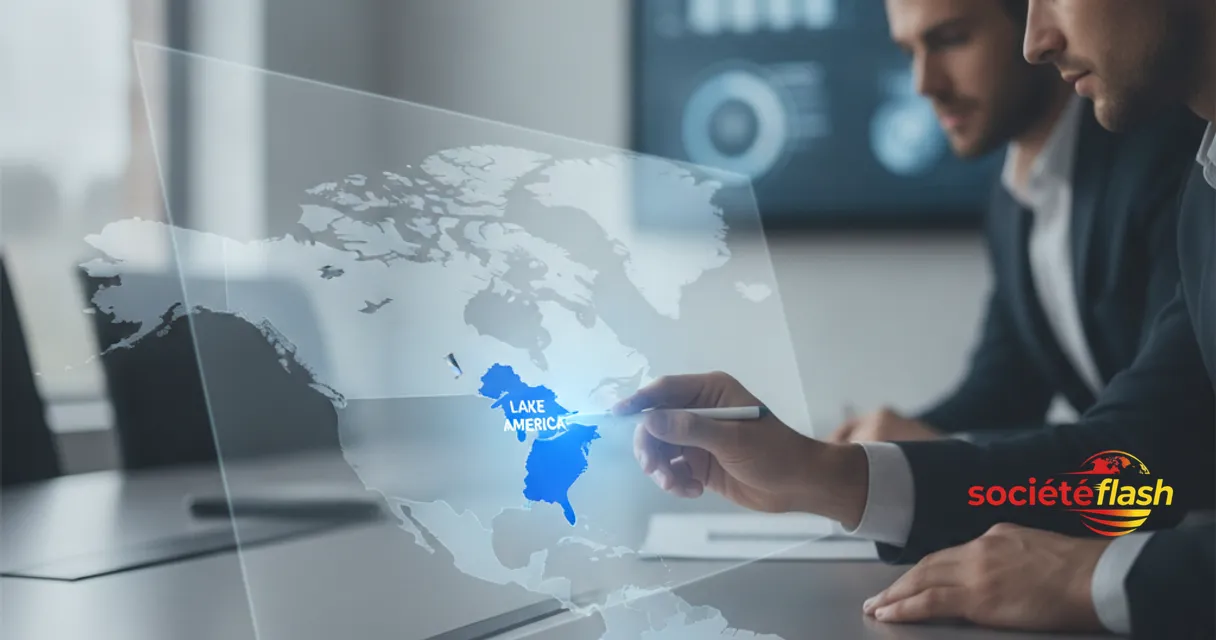
A recent update has caused a stir in the world of digital mapping: Google Maps has renamed Lake Ontario to 'Lake America' for users in the United States. This unexpected change has sparked a wave of reactions from both sides of the border, raising questions about Google's accuracy and intentions in its mapping services. This article explores the implications of this change and how businesses can safeguard themselves against similar errors.
Google Maps and the Lake Ontario Name Change
On August 30, 2026, Google Maps made the surprising move to rename Lake Ontario to 'Lake America' for American users. This alteration has been seen as a shocking error, impacting not only mapping accuracy but also cross-border relations. For many Canadians, this change is viewed as an encroachment on their national culture and geography.
The incident has sparked lively discussions on social media and in the press, with some perceiving it as an attempt by American tech companies to rewrite geographic narratives. For further coverage of this event, you can read the original report on CTV News.
Potential Causes Behind Google Maps Error
Several theories have been proposed to explain this unexpected change on Google Maps. One possibility involves a technical glitch during a map update, mistakenly altering the lake's name for U.S. users. Another theory suggests a misguided attempt to simplify navigation for Americans, though given the backlash, this seems unlikely.
While mapping errors are not new, their impact can be significant, especially when they involve iconic geographical features. This incident echoes a past controversy where Mark Carney opposed a similar attempt to rename Lake Ontario.
Strategies to Prevent Future Mapping Errors
For businesses relying on digital mapping, such as travel agencies or logistics companies, it is crucial to implement measures that prevent similar errors in the future. Here are some strategies:
- Establish manual verification systems to validate automatic map updates.
- Collaborate with local experts to ensure the accuracy of geographic names and locations.
- Test updates in controlled environments before large-scale deployment.
By adopting these practices, businesses can minimize geographic errors and maintain user trust.
Conclusion: Trust Société Flash for Reliable News
In an era where information spreads rapidly and errors can have significant repercussions, staying informed and vigilant is essential. As a news portal, Société Flash is committed to providing accurate and up-to-date information. We invite you to explore our World section to stay informed about international events and important developments.
If you want to learn more about how we can help you navigate today's complex media landscape, feel free to contact us. Together, we can build a clearer and more reliable understanding of the world around us.
FAQ
Why did Google Maps change the name of Lake Ontario?
This is likely due to a technical error or incorrect map update for U.S. users.
What are the impacts of this change for users?
This change can cause confusion and affect the reliability of mapping services, especially for those using Google Maps for professional purposes.
How can businesses protect themselves from such errors?
Businesses can implement verification systems and collaborate with local experts to ensure the accuracy of their geographic data.
What is Société Flash's role in this context?
Société Flash is committed to providing accurate and reliable information, helping businesses and individuals navigate the complex media landscape.
Where can I find more information on similar topics?
Visit our News section for up-to-date information and in-depth analysis on various international topics.