Greece Demands Return of Parthenon Sculptures
Greece insists on the return of the Parthenon Sculptures as a condition for the UK's potential re-entry into the EU, highlighting a key cultural issue.
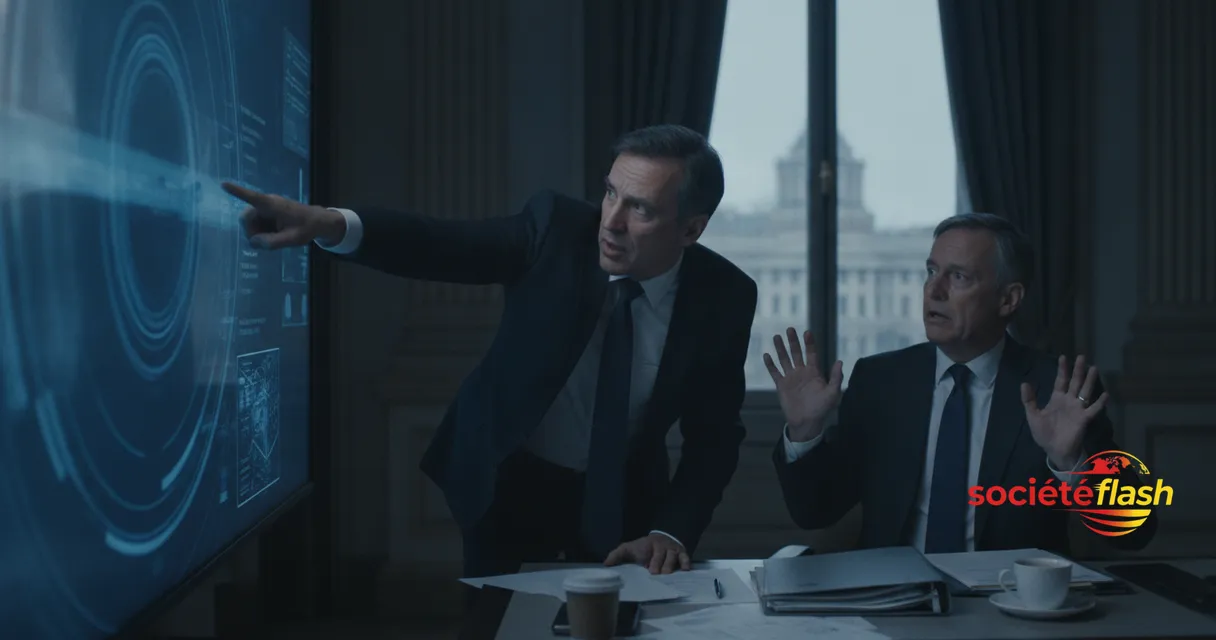
The ongoing debate over the return of the Parthenon Sculptures, currently housed in the British Museum, has intensified significantly. With British Prime Minister Andy Burnham contemplating a reevaluation of the UK's relationship with the European Union, Greece has clearly stated its position: the return of these ancient artifacts is a crucial condition for the UK's potential re-entry into the EU. Greek Prime Minister Kyriakos Mitsotakis has highlighted this as a key cultural and symbolic issue for Europe.
A Historical Dispute Over the Parthenon Sculptures
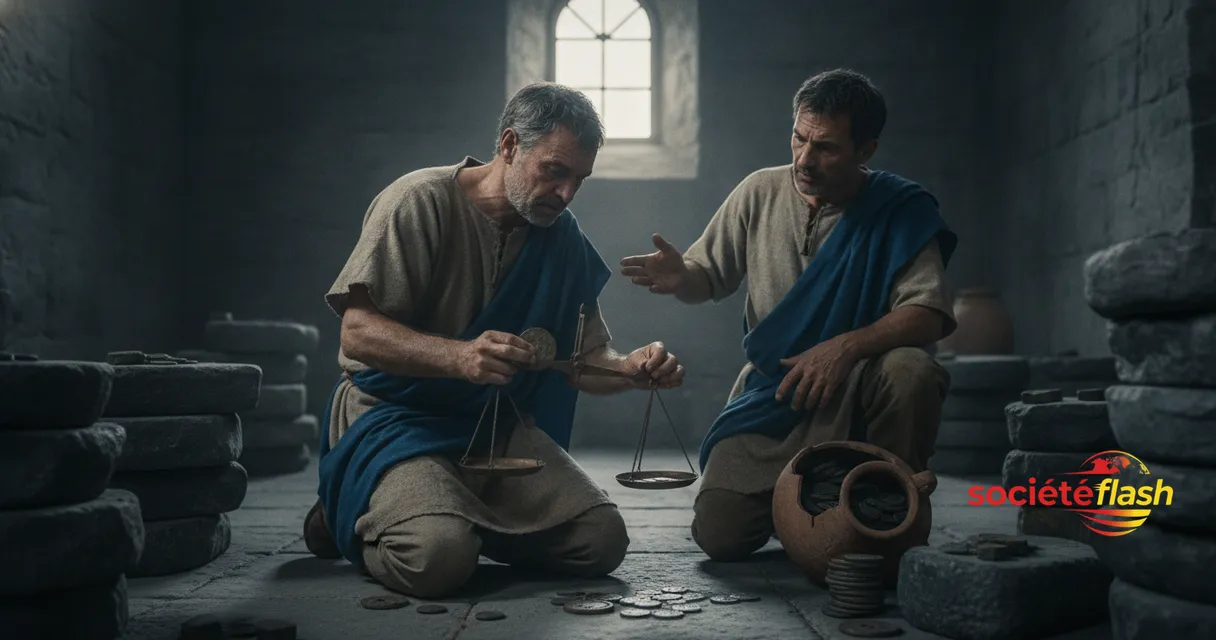
The Parthenon Sculptures are extraordinary works of art created in the 5th century BC under the supervision of the renowned sculptor Phidias. These friezes and statues, depicting mythological scenes and aspects of Athenian civic life, were integral parts of the Parthenon temple on the Acropolis of Athens. However, in the early 19th century, Lord Elgin, then the British ambassador to the Ottoman Empire, removed nearly half of the surviving sculptures and transferred them to London. Ever since, these artworks have been housed in the British Museum, despite Greece's persistent calls for their return.
Cultural and Political Stakes
For Greece, the return of the sculptures is not just about reclaiming art; it is perceived as an act of historical justice. Prime Minister Mitsotakis has emphasized that reuniting the sculptures could form the basis for a long-lasting cultural partnership between Greece and the UK, fostering new collaborations in exhibitions, research, and conservation efforts.
The legal complexities in the UK pose an additional challenge. A law passed in 1963 prevents the British Museum from permanently transferring items in its collection, necessitating parliamentary intervention to amend the legislation.
Implications for UK-EU Relations
The condition set by Greece raises important questions about the future relationship between the UK and the European Union. Athens views the return of the sculptures as a gesture of mutual respect and recognition of Europe's cultural heritage. For the UK, agreeing to this demand could not only facilitate a smoother reintegration into the EU but also enhance its international reputation.
Before his election, Andy Burnham expressed support for the return of the sculptures, advocating for the UK to leverage culture as a means to reshape its global image. This approach could be pivotal in future negotiations.
Challenges to Overcome
- Amending the 1963 British law that prohibits the permanent transfer of British Museum artifacts.
- The UK's aim to maintain a strong negotiating position with the EU.
- International pressure and public opinion, which could influence political decisions.
Pursuing a Cultural Compromise
To resolve this impasse, several solutions have been proposed. One possibility is a long-term loan of the sculptures to Greece, akin to the arrangement with the Bayeux Tapestry. However, Mitsotakis has dismissed this suggestion, insisting that the Parthenon elements are inseparable from their original monument. An alternative could involve establishing a broader cultural partnership between the two countries, encouraging exchanges and cooperation in the museum sector.
This situation might also act as a catalyst for legislative reform in the UK, enabling the resolution of similar disputes in the future. Such a change would require robust political will and a commitment to preserving global cultural heritage.
Conclusion
The issue of the Parthenon Sculptures is more than a mere cultural dispute; it is a test of international relations founded on respect for heritage and history. Greece has clearly laid out its conditions, placing the onus on the UK. To stay informed about this topic and other international news, visit our news section. For further information on our services and how we can help keep you updated, please contact us. For insights into the UK's cultural policy, check the official website of the Department for Digital, Culture, Media and Sport.
FAQ
Why is the return of the Parthenon Sculptures important to Greece?
For Greece, these sculptures symbolize its cultural heritage and history. Their return is seen as an act of historical justice and recognition of shared European heritage.
What is the UK's current stance on the return?
Although discussions are ongoing, the UK faces legal challenges that must be addressed to allow the return. A 1963 law currently prevents the permanent transfer of British Museum artifacts.
How could the return impact UK-EU relations?
The return of the sculptures could improve diplomatic and cultural relations between the UK and the EU, potentially aiding the UK's reintegration into the Union.
Are there precedents for the return of artworks?
Yes, there have been several instances where artworks have been returned to their countries of origin, often through bilateral agreements or long-term loans.
How can I stay updated on this issue?
To keep informed about developments, you can follow our news section where we cover international and cultural news.
Also Read