Heat Wave in Aubervilliers: The Unbearable Heat
«In the morning, it's already 27 degrees in my apartment»: in Aubervilliers, the heat wave is becoming unbearable. Discover the solutions to cope with it.
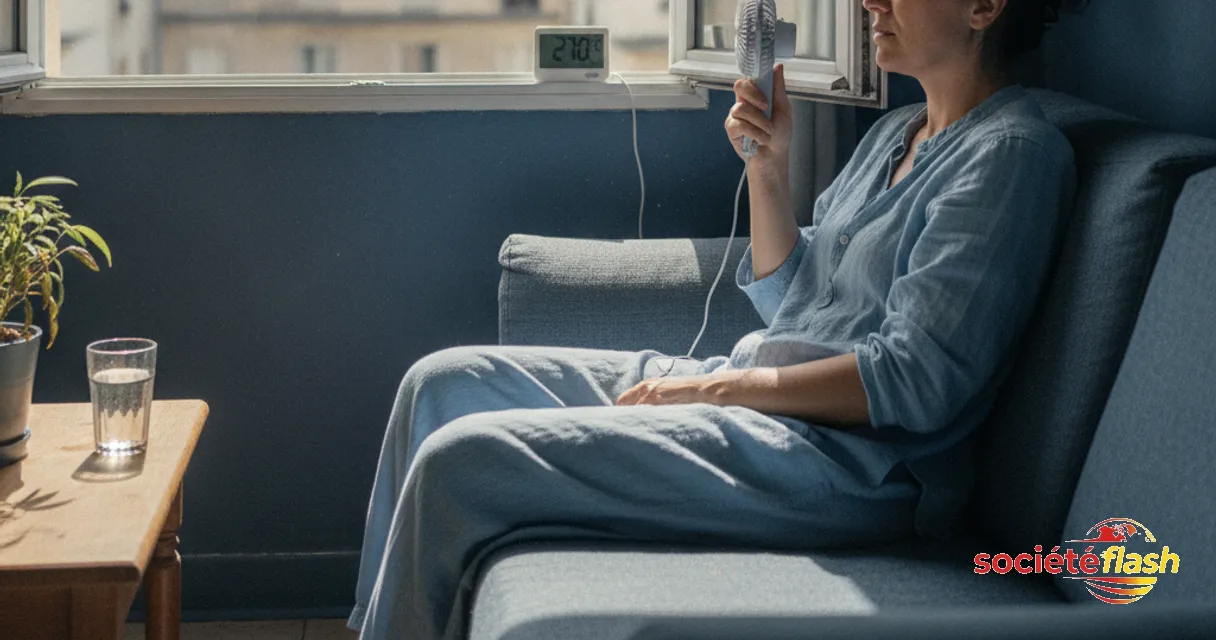
In the heart of summer 2026, France is enduring another heat wave, particularly intense in urban heat islands (UHIs) such as Aubervilliers. These densely populated areas, which suffer from a severe lack of greenery, are turning into real furnaces. In this environment, residents are struggling to find ways to escape the extreme heat. In Aubervilliers, the heat wave is becoming unbearable for many locals, including Nadia, who shares her grueling daily routine.
The Challenges Posed by Urban Heat Islands in Aubervilliers
Urban heat islands are areas where temperatures are significantly higher than in surrounding regions. In Aubervilliers, this situation is worsened by dense urbanization and a lack of green spaces. Heat is absorbed by concrete and asphalt during the day and released slowly overnight, preventing any nocturnal cooling.
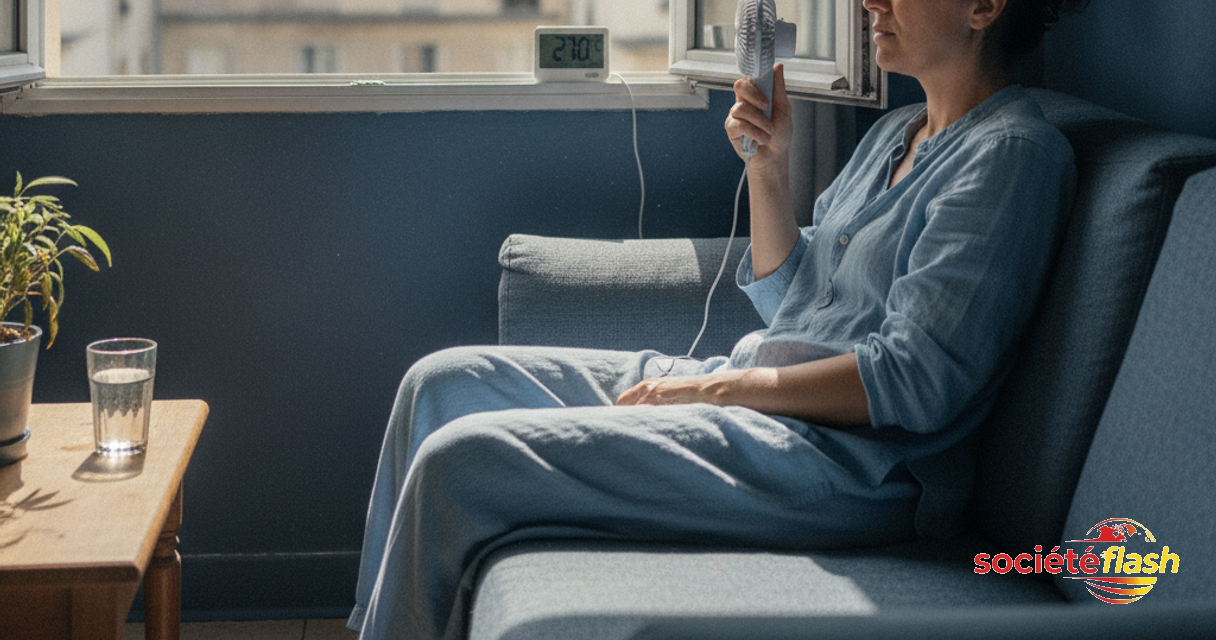
Nadia, who lives in a 1970s apartment building, perfectly illustrates this phenomenon. Her apartment, exposed to the sun all day long, lacks effective thermal protection. "In the morning, it's already 27 degrees in my place," a reality shared by many residents. Without external shutters or blinds, the heat can only be slightly mitigated by double curtains. This situation is common across many neighborhoods in Aubervilliers, where aging infrastructure is ill-suited to current climate realities.
Furthermore, public spaces in Aubervilliers often lack shade and water stations, making daily life even more difficult during heat waves. Residents look for temporary refuge in shopping malls or public libraries, but these options are not always accessible to everyone.
Potential Solutions to Mitigate the Heat
Given these conditions, several measures can be considered to improve thermal comfort in these neighborhoods. Here are a few approaches worth exploring:
- Air conditioning installation: Although expensive, air conditioning is an effective way to lower indoor temperatures. Nadia was fortunate enough to receive an AC unit through the generosity of a neighbor. However, this is not a viable option for everyone due to high energy costs and environmental impacts.
- Urban greening: Planting trees and developing green spaces can significantly lower ambient temperatures by providing shade and improving air flow. Community initiatives in Aubervilliers aim to turn rooftops into gardens and plant street trees to create cooling corridors.
- Building retrofits: Modernizing infrastructure to make it more heat-resilient, particularly by upgrading thermal insulation, represents a sustainable long-term solution. Grant programs are available to help property owners finance these renovations, which could reshape the urban landscape in Aubervilliers.
Additionally, innovative approaches such as reflective paint for roofs and building facades are beginning to be tested to curb heat absorption by buildings.
Comparing Heat Management Methods
It is essential to evaluate different methods to determine which is most effective and suitable for local constraints:
| Solution | Pros | Cons |
|---|---|---|
| Air Conditioning | Fast and effective cooling | High cost, heavy energy consumption |
| Urban Greening | Sustainable, improves air quality | Takes time to deliver significant impact |
| Building Retrofits | Improves overall energy efficiency | Substantial upfront capital investment |
Studies show that combining these approaches can maximize the effectiveness of urban heat management, especially in high-density areas like Aubervilliers.
Frequently Asked Questions
What are the primary causes of urban heat islands?
Urban heat islands are mainly caused by dense urban development, a lack of vegetation, and the widespread use of materials like concrete and asphalt that absorb and retain heat. Additionally, heat generated by vehicles and air conditioning systems further aggravates the phenomenon.
How can conditions be improved in Aubervilliers?
Measures such as expanding green spaces, improving building insulation, and installing cooling systems are all paths to mitigating the impact of extreme heat. Local initiatives also encourage the use of more sustainable and reflective building materials to reduce heat retention.
Why isn't air conditioning a universal solution?
While very effective, air conditioning has major drawbacks, including high power consumption and significant installation costs, putting it out of reach for some households. Furthermore, it contributes to greenhouse gas emissions, exacerbating the broader issue of global warming.
Conclusion
Société Flash is dedicated to informing and raising awareness about the challenges of climate change while highlighting solutions tailored to local realities. Learn how we can assist you in adapting your home to cope with heat waves. Contact us to find out more about our initiatives and services. For timely news and in-depth reporting, explore our articles on tensions in the Middle East and other current events on our website. You can also read about trending Instagram scams and military tensions in Ukraine to stay up to date on global developments.
Also Read