LIVE: Middle East - Multiple Casualties in Lebanon
LIVE - Middle East: Several killed in an Israeli strike in southern Lebanon. An analysis of rising tensions and prospects for peace.
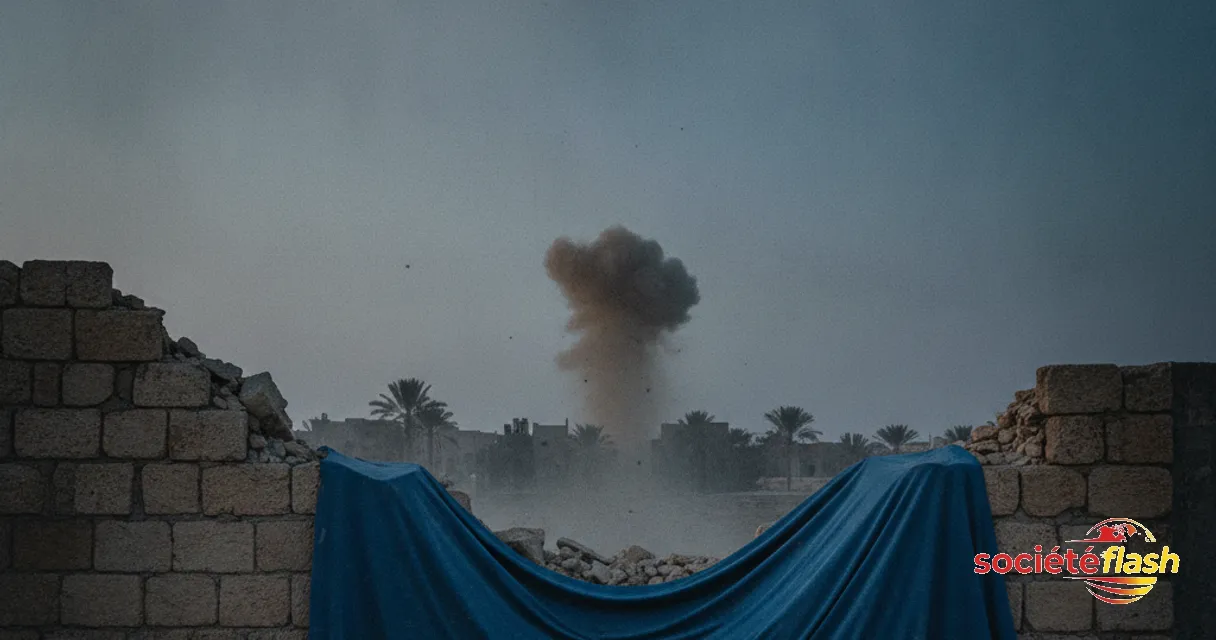
The Middle East remains a region shaped by recurring conflict, and the recent Israeli strike in southern Lebanon illustrates the ongoing complexity of the situation. On Saturday, August 15, 2026, an airstrike killed seven people in the village of Ansar, according to Lebanese sources. This marks the heaviest death toll since the June truce agreed upon with Hezbollah, an Iran-backed militant group. The tragic event draws renewed attention to regional dynamics and escalating geopolitical tensions.
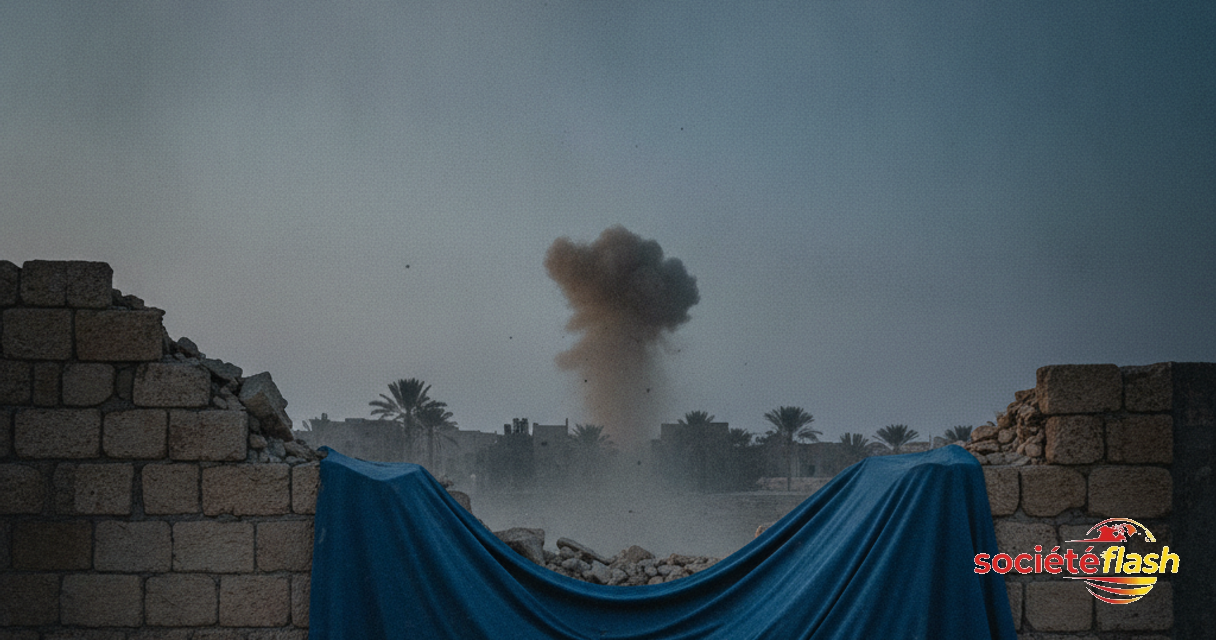
Current State of Middle East Tensions
The Israeli strike on Lebanon comes amid heightened tensions across the Middle East. Relations between Israel and Hezbollah remain fraught despite the recent truce. The Iranian-backed group represents an ongoing threat according to Israel, which often justifies its military operations as defensive measures. However, the civilian toll, as seen in the tragedy at Ansar, raises serious questions regarding the humanitarian impact of these strikes.
These tensions extend beyond Israeli-Lebanese relations. Other regional players, including Iran and the United Arab Emirates, are also entangled in conflicting interests. For instance, recent incidents in the Strait of Hormuz—where vessels affiliated with the state-owned oil firm ADNOC were attacked—highlight the region's volatility. Such events underscore the need to understand the multilateral dynamics fueling conflict in the Middle East.
Strategic Opportunities for Peace
In the face of these tensions, strategic opportunities for peace and stability must be explored. Dialogue among regional actors could mitigate the risk of escalation. Diplomatic efforts backed by international powers remain essential to establish negotiating frameworks. For example, resuming talks between Israel and Hezbollah could help prevent future confrontations.
Regional and international organizations also play a critical role in fostering peace. Through forums and structured negotiations, these entities can facilitate dialogue and encourage compromise. Furthermore, engaging civil society and non-governmental organizations in peace processes can bring fresh perspectives and strengthen grassroots initiatives.
Key Steps for Implementing Peace Initiatives
To implement effective peace initiatives, several factors must be considered. First, acknowledging the grievances and concerns of each party is vital to building common ground. Second, sustained long-term commitment from all involved stakeholders is required to ensure lasting peace agreements.
- Encourage inclusive dialogue among all involved parties.
- Support local peacebuilding and reconciliation initiatives.
- Strengthen the capacity of regional institutions to manage conflicts.
- Ensure international oversight to monitor the implementation of agreements.
These measures, coupled with international support, can help stabilize the region and deter future conflicts. Lessons learned from past initiatives must also be incorporated to avoid repeating past mistakes.
Conclusion: A Call to Action
The ongoing situation in the Middle East, highlighted by the Israeli strike in southern Lebanon, demands urgent attention and action. At Société Flash, we are committed to providing comprehensive, in-depth coverage of global events to keep our readers informed and engaged. We invite you to follow our coverage across our platforms and join the conversation on these critical issues. For more international news, visit our dedicated section on Société Flash Monde.
For detailed analysis and continuous updates, subscribe to our newsletter or download our app. Stay informed and play a role in positive change by taking part in constructive dialogue on these matters. Read our related coverage on regional tensions for a deeper look at the situation: several killed in an Israeli strike on southern Lebanon.
FAQ
What are the primary geopolitical issues currently facing the Middle East?
Key issues include escalating tensions between Israel and Hezbollah, disputes around the Strait of Hormuz, and rivalries among regional powers such as Iran and the United Arab Emirates.
How can the international community support peace efforts?
The international community can facilitate dialogue, back local peace initiatives, and ensure that commitments made by stakeholders are upheld over the long term.
What role do the media play in covering conflicts?
Media outlets play an essential role by informing the public, raising awareness of complex issues, and providing a platform for constructive dialogue and critical analysis of world affairs.
How can I stay informed about developments in the Middle East?
Subscribe to reliable news sources such as Société Flash for regular updates and comprehensive analysis of international news.
Where can I find more coverage on the Middle East?
Visit our World section for detailed reporting on the Middle East and other global regions.
Also Read