LIVE: Middle East War – U.S. Sanctions Target Iran
LIVE - Middle East War: Iran faces new U.S. economic sanctions. Discover the causes and potential solutions to this escalating regional crisis.
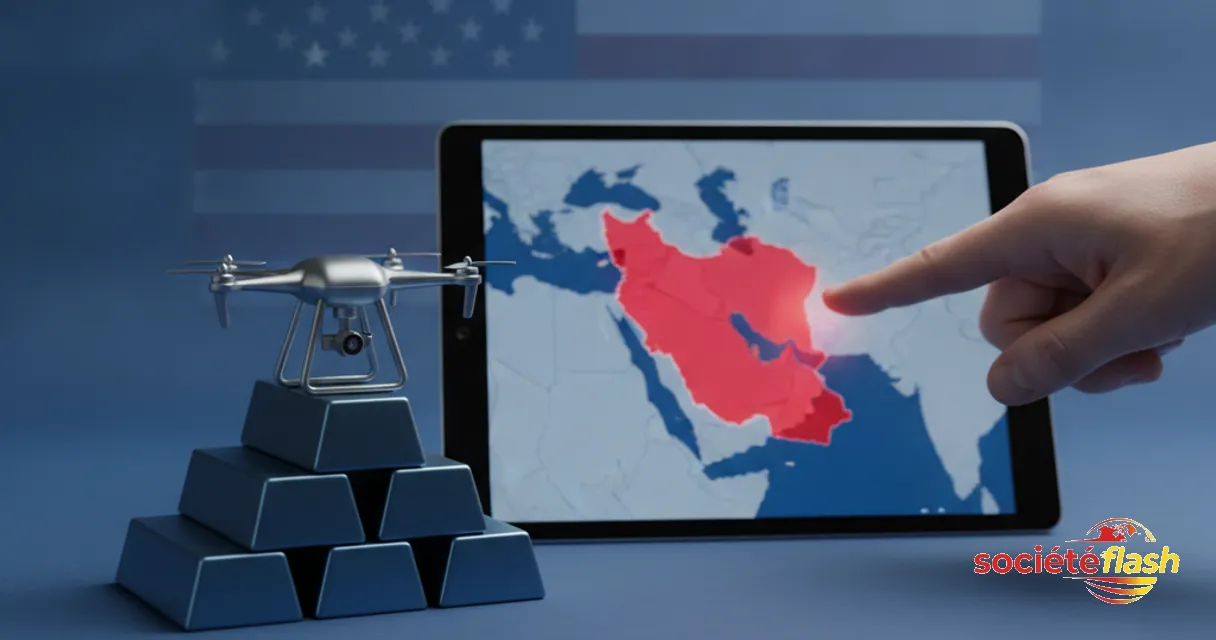
Tensions in the Middle East have escalated recently following U.S. threats to impose new economic sanctions on Iran. This development adds to the region's existing complexities, particularly regarding Iran's strategic control of the Strait of Hormuz. In this article, we explore the causes of this crisis, its implications, and how it could be resolved.
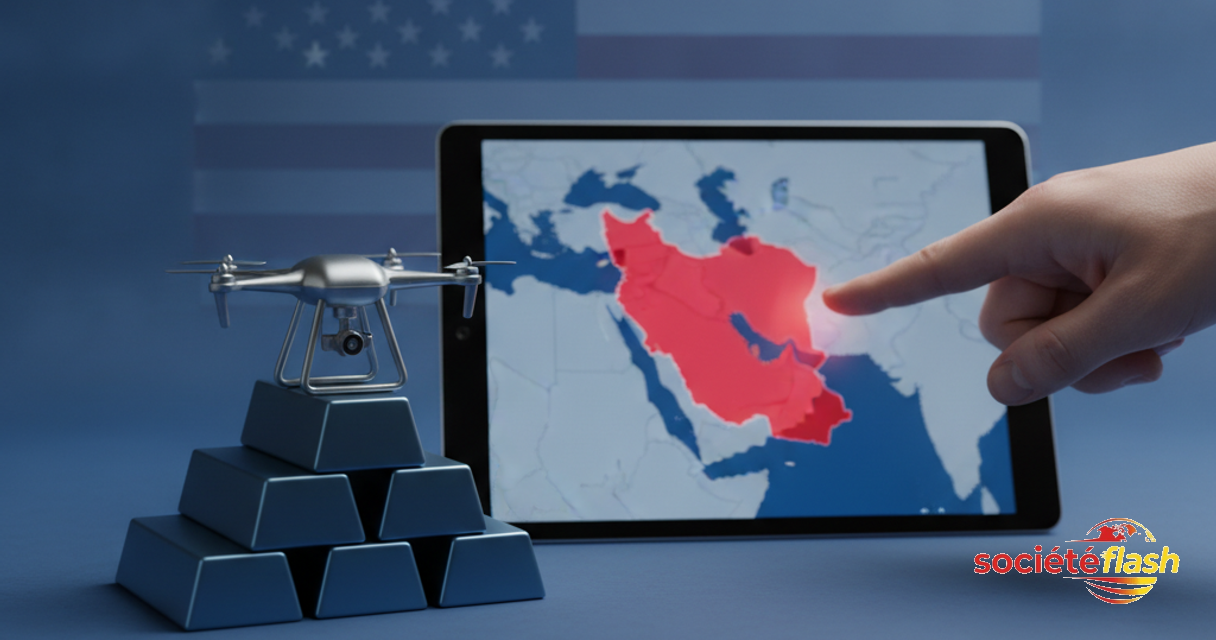
The Stakes in the Strait of Hormuz
The Strait of Hormuz is a vital shipping lane through which roughly one-fifth of the world's oil transit passes. This route is essential not only for Gulf oil producers, but also for the global economy. By controlling this waterway, Iran holds significant economic leverage, partially explaining the current tensions with the United States.
Recently, Tehran declared that the passageway would remain locked until the U.S. meets its conditions. This blockade has caused maritime traffic to plummet well below its typical daily average. The situation worsened after an Iranian attack on vessels affiliated with the Abu Dhabi National Oil Company, which the United Arab Emirates labeled an act of piracy.
- Iranian control over the strait
- Impact on global trade
- International reactions
Root Causes of the Crisis
The current crisis stems from several geopolitical and economic factors. For years, relations between Iran and the United States have been strained, primarily due to Iran's nuclear ambitions and economic sanctions imposed by Washington. These tensions have been heightened by recent military actions and attacks on vessels in the Strait of Hormuz.
U.S. Treasury Secretary Scott Bessent recently threatened Iran with unprecedented economic isolation, ramping up pressure on the Iranian regime. This warning follows a series of incidents that have seen shipping traffic through the Strait of Hormuz drop dramatically.
Potential Solutions to De-escalate the Crisis
To avoid further military and economic escalation, several pathways can be explored. First, open dialogue between the parties involved is crucial. The United States and Iran must sit down at the negotiating table to discuss conditions for reopening the Strait of Hormuz and address regional security concerns.
Second, diplomatic intervention from the international community could help facilitate talks. The United Nations and other international bodies can play a key role as neutral mediators. Furthermore, targeted economic and humanitarian support for Iran could also help alleviate tensions.
Lastly, promoting regional cooperation among Gulf nations is essential to ensure long-term security and stability in this strategic corridor.
Conclusion and Call to Action
The current Middle East situation is complex, but solutions remain within reach if the parties involved are willing to cooperate. At Société Flash, we are committed to providing accurate and up-to-date reporting to help our readers make sense of global dynamics. For in-depth analysis and regular updates on Iran and beyond, visit our website.
To stay updated on this crisis and other international developments, feel free to join us today.
FAQ
What triggered the new sanctions against Iran?
The United States threatened new sanctions in response to Iranian attacks on vessels in the Strait of Hormuz and the disruption of this strategic shipping corridor.
How does the Strait of Hormuz affect the global economy?
The Strait of Hormuz is vital for maritime oil transit. Any disruption or blockade can drive up oil prices and fuel global economic instability.
What steps could help resolve the current crisis?
Diplomatic dialogue, international mediation, and regional cooperation are vital steps toward de-escalating the crisis and restoring stability to the region.
For further details on recent developments in the region, check out our article on the Middle East crisis.
For additional information on economic sanctions and their global impact, you can visit the official U.S. Department of the Treasury website.
Also Read