Nova Scotia Girl's Remarkable 700-lb Tuna Catch
Discover how a young girl from Nova Scotia may have set a new record with her 700-lb tuna catch, inspiring anglers worldwide.
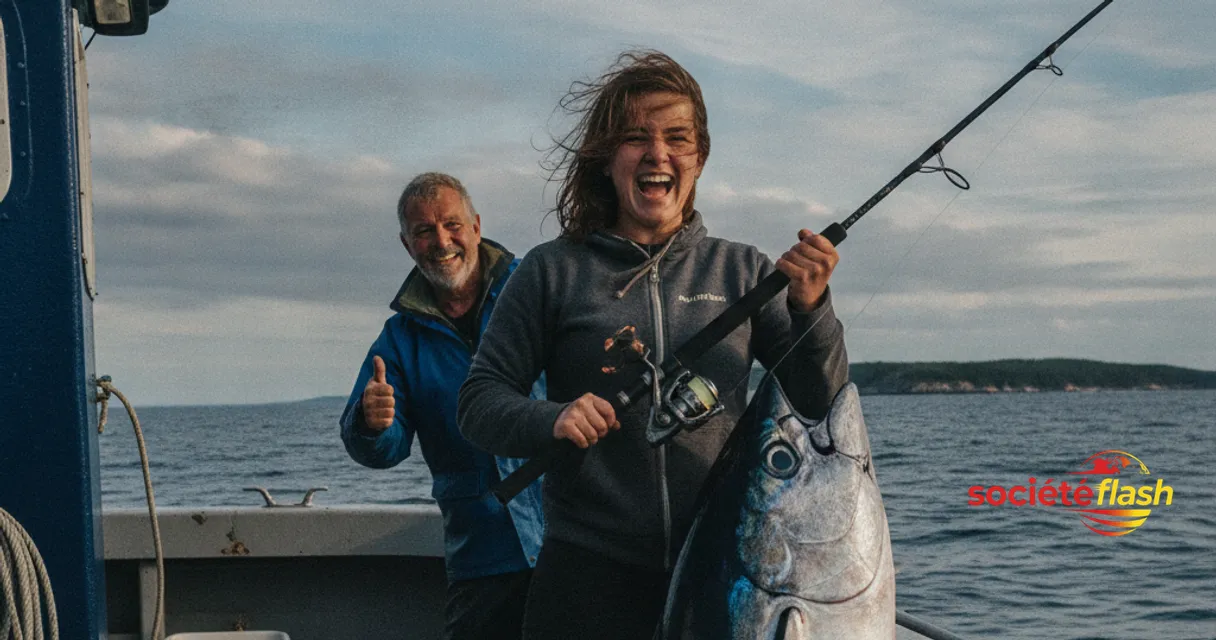
An extraordinary event has captured the attention of fishing enthusiasts worldwide: a young girl from Nova Scotia might have set a new record by catching a 700-pound tuna. The story, titled 'I felt amazed: Nova Scotia girl may reel in a record with 700-lb tuna catch', has become a focal point for discussions about achievements in sport fishing.
The Significance of This Astonishing Catch
Catching a 700-pound tuna is a feat that deserves recognition. Not only does it showcase the incredible physical strength and endurance of the young girl, but it also highlights the importance of sport fishing in Nova Scotia. Tuna are formidable creatures, and capturing one requires exceptional skill and determination.
In Nova Scotia, sport fishing is more than just a leisure activity; it's a tradition that attracts anglers from around the globe. The region is known for its rich fishing waters, and such catches enhance its reputation. Moreover, this kind of achievement can inspire young people to take a greater interest in fishing and marine conservation.
Key Considerations for Aspiring Big Fish Anglers
For those considering venturing into sport fishing, several important questions need addressing:
- What equipment is necessary for catching large fish like tuna?
- Where are the best spots for sport fishing in Nova Scotia?
- When is the ideal season for tuna fishing?
- How can one ensure safety at sea during extended fishing trips?
Answering these questions will help prepare you adequately and increase your chances of success.
Best Practices for Successful Sport Fishing
Success in sport fishing relies on a few key principles. First, having quality equipment is essential. Durable rods, powerful reels, and strong lines are vital for battling the immense strength of large fish.
Next, knowledge of fishing techniques is crucial. This includes how to hook the fish properly, manage line tension, and reel in the fish without exhausting it excessively. Finally, patience and perseverance are indispensable virtues. Sport fishing can be demanding, but the rewards are often worth the effort.
Comparing Amateurs and Professionals in Sport Fishing
There are notable differences between the techniques used by amateur and professional sport fishers. Professionals often have access to more advanced equipment and training. However, passionate amateurs can achieve excellent results with practice and dedication.
- Equipment: Professionals often use state-of-the-art gear, while amateurs may start with more basic equipment.
- Knowledge: Professionals usually have in-depth knowledge of fish behavior, giving them an advantage.
- Experience: Over time, amateurs can develop skills comparable to those of professionals.
These differences demonstrate that with the right resources and commitment to learning, any angler can improve their skills.
FAQ
How did the young girl manage to catch a 700-pound tuna?
She used specific sport fishing techniques combined with appropriate equipment to accomplish this impressive feat.
What impact does this catch have on Nova Scotia's sport fishing community?
This catch enhances Nova Scotia's reputation as a premier sport fishing destination and inspires the next generation of anglers.
What precautions should be taken when fishing for large fish?
It's important to ensure sea safety, use appropriate equipment, and adhere to local fishing regulations.
Why is it important to promote sport fishing?
Sport fishing supports marine conservation and encourages a deeper connection with the natural environment.
Join the Société Flash Community
At Société Flash, we are passionate about inspiring and amazing stories like this one. If you want to stay informed about captivating news and significant events, be sure to explore our News section. For any questions or to learn more about our services, contact us today.
Also Read