Schools and Heatwaves: Low-Tech Solutions to Challenges
Explore how low-tech solutions offer cost-effective ways for schools to combat heatwaves. Discover insights and support from Société Flash in 2026.
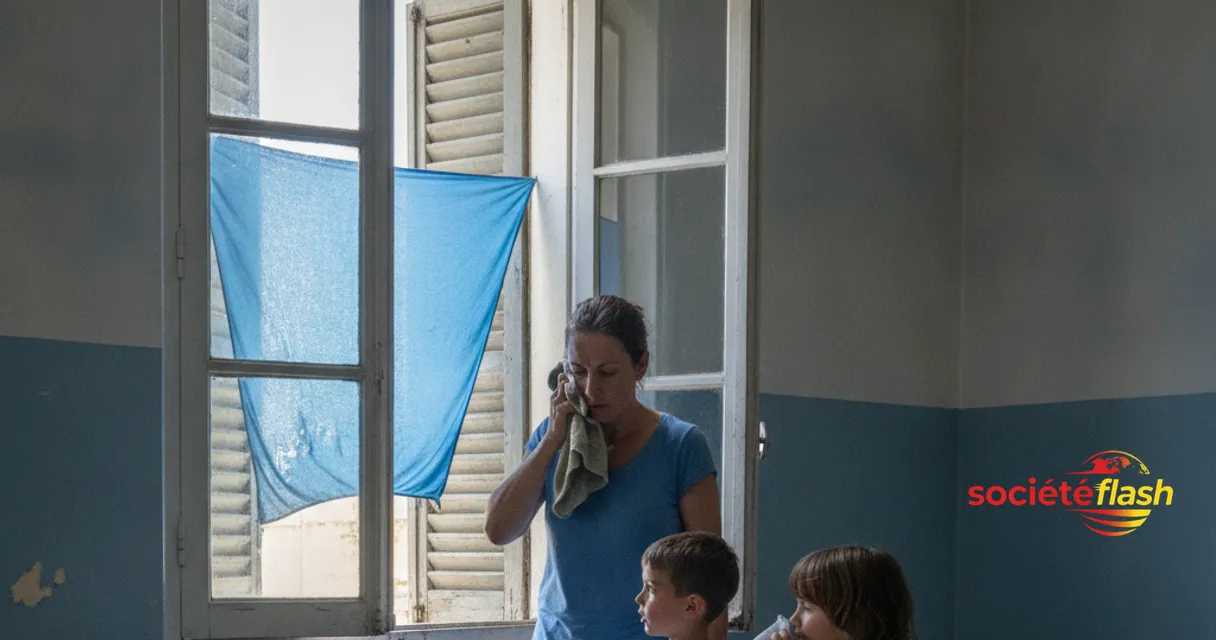
As heatwaves become increasingly frequent, schools in France are facing significant challenges. Many classrooms turn into veritable ovens, leading to the closure of 4,000 schools and schedule adjustments in 11,000 others, according to a report from the Ministry of National Education. With public funds for thermal renovation of schools drastically cut, some municipalities are now experimenting with low-tech, cost-effective solutions to tackle these issues. This article explores these innovative initiatives and how Société Flash can assist in their implementation.
Reasons Behind Budget Cuts
In June, the French government announced an emergency heatwave plan initially supported by a budget of 50 million euros. However, this budget was slashed to just 10 million euros, creating a financial gap for local authorities aiming to adapt their schools to new climate realities. This severe reduction has been a setback for communities, exacerbated by the instability of public policies on energy renovation.
Despite these financial challenges, initiatives like the "Racine" program have demonstrated that adapting schools to heatwaves doesn't necessarily require exorbitant spending. According to Amaury Fievez, a doctoral student at the École des Mines, low-tech solutions can be implemented with a budget of just 20,000 to 40,000 euros for a school with only 100 students.
Low-Tech Solutions: A Viable Alternative
Low-tech solutions have emerged as a viable alternative to expensive air conditioning systems. Techniques such as air movers, sunshades, and night ventilation are being adopted. These simple methods offer significant improvements in thermal comfort without high energy consumption.
Air Movers and Night Ventilation
Air movers, akin to ceiling fans, help keep the air in motion, reducing the perception of heat in classrooms. Night ventilation, which involves opening windows to cool buildings overnight, is another effective method. However, concerns about security and weather conditions can hinder its adoption.
- Air Movers: Reduce perceived heat.
- Night Ventilation: Passive cooling of facilities.
- Sunshades: Reduce direct sun exposure.
Challenges to Overcome
Despite the technical feasibility, several organizational and sociological obstacles impede the adoption of low-tech solutions. Responsibilities are often divided among local authorities, technical staff, and teaching personnel, complicating the implementation of these solutions. Additionally, concerns such as security and protection against the elements can limit the application of night ventilation.
To overcome these obstacles, it is essential to raise awareness and provide training to the involved parties, offering clear guidelines and adequate resources for implementing these solutions.
How Société Flash Can Help
At Société Flash, we understand the importance of making our schools more resilient to heatwaves. As a news portal, we are committed to providing a platform for information and exchange to share best practices and innovations in low-tech solutions. Our in-depth reports and analyses on societal issues offer local decision-makers concrete examples of successful implementations.
We also provide resources to help communities navigate financial and technical challenges and identify the most suitable solutions for their specific needs. To discover how we can support you, explore our economic articles.
FAQ
What is a low-tech solution?
A low-tech solution is a simple, cost-effective, and environmentally friendly technique used to solve a problem without relying on complex or expensive technologies.
How can schools benefit from low-tech solutions?
Schools can improve the thermal comfort of their buildings by adopting low-tech solutions such as air movers, sunshades, and night ventilation, while reducing energy costs.
What are the main obstacles to adopting low-tech solutions?
The main obstacles include security concerns, lack of funding, and the division of responsibilities among various stakeholders involved in managing school buildings.
How can Société Flash assist communities?
Société Flash provides information and resources to help communities adopt low-tech solutions, sharing success stories and in-depth analyses of societal and economic issues.
Conclusion
Low-tech solutions offer a pragmatic and economical response to the challenges posed by heatwaves in French schools. By adopting these techniques, communities can improve the thermal comfort of their facilities while keeping budgets under control. To learn more about these solutions and how to implement them, visit Société Flash and see how we can support you in this essential endeavor.
Also Read