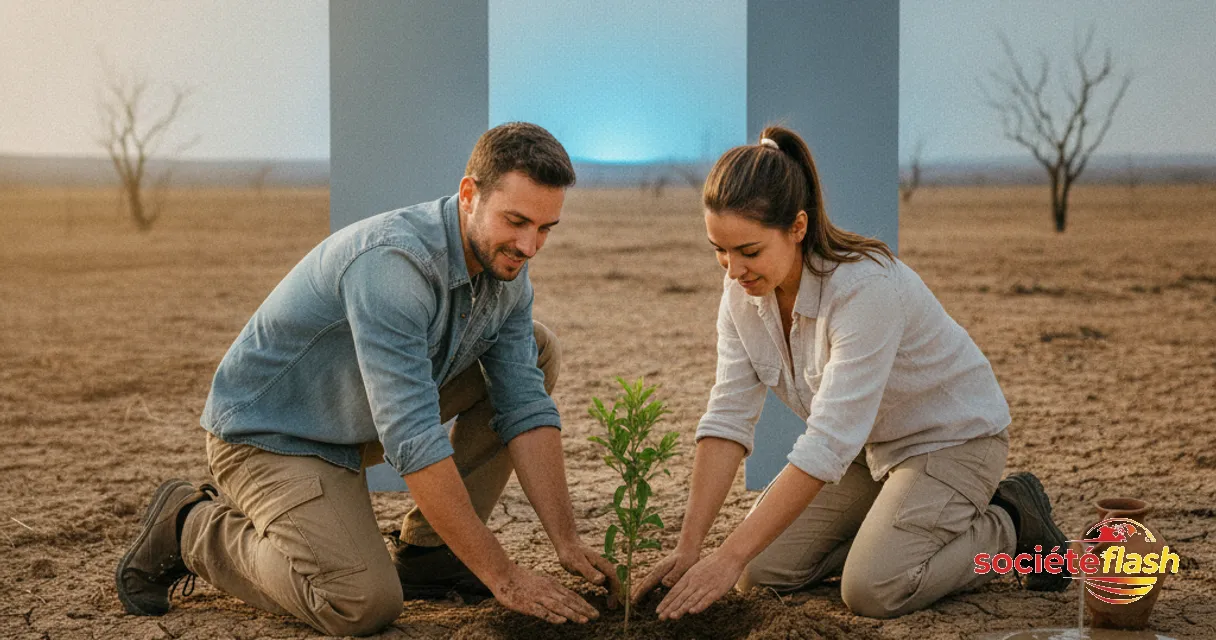
Wildfires in France: Securing the Fontainebleau Forest
Wildfires in France: Securing the Fontainebleau Forest marks the delicate first step toward a slow recovery. Explore the challenges and solutions ahead.
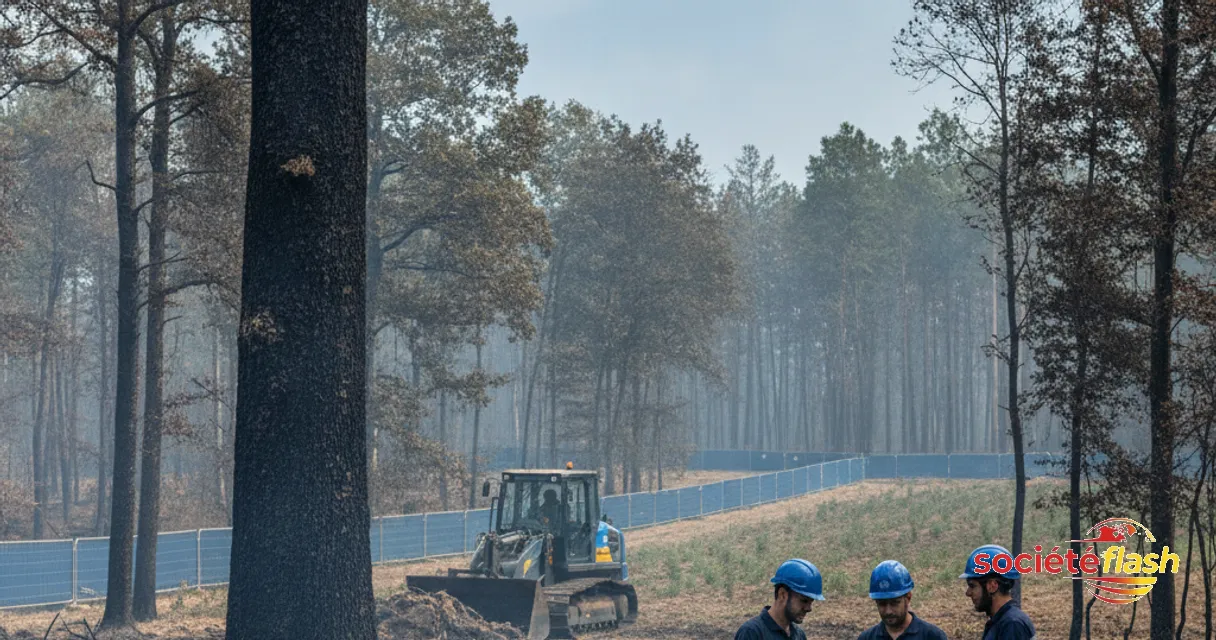
The wildfires in France: the delicate effort to secure the Fontainebleau Forest, a prelude to slow reconstruction marked a new turning point in environmental crisis management. This tragic event destroyed approximately 2,000 hectares—about 10% of the total area of this iconic forest. In response, France's National Forests Office (ONF) and specialized crews have been mobilized to secure and restore the devastated area.
Causes of the Wildfires in France
The fires that swept through the Fontainebleau Forest in July 2026 stem from multiple environmental factors intensified by climate change. Increasingly hot, dry summers create prime conditions for the rapid spread of fires. Furthermore, the largely sandy soil composition and dense pine population make the landscape particularly vulnerable to flames.
Peat in the region also poses a significant risk. This type of organic soil fosters "zombie fires," which continue to smolder underground and can reignite long after the surface blaze appears contained.
Safety and Securing Measures Following the Fires
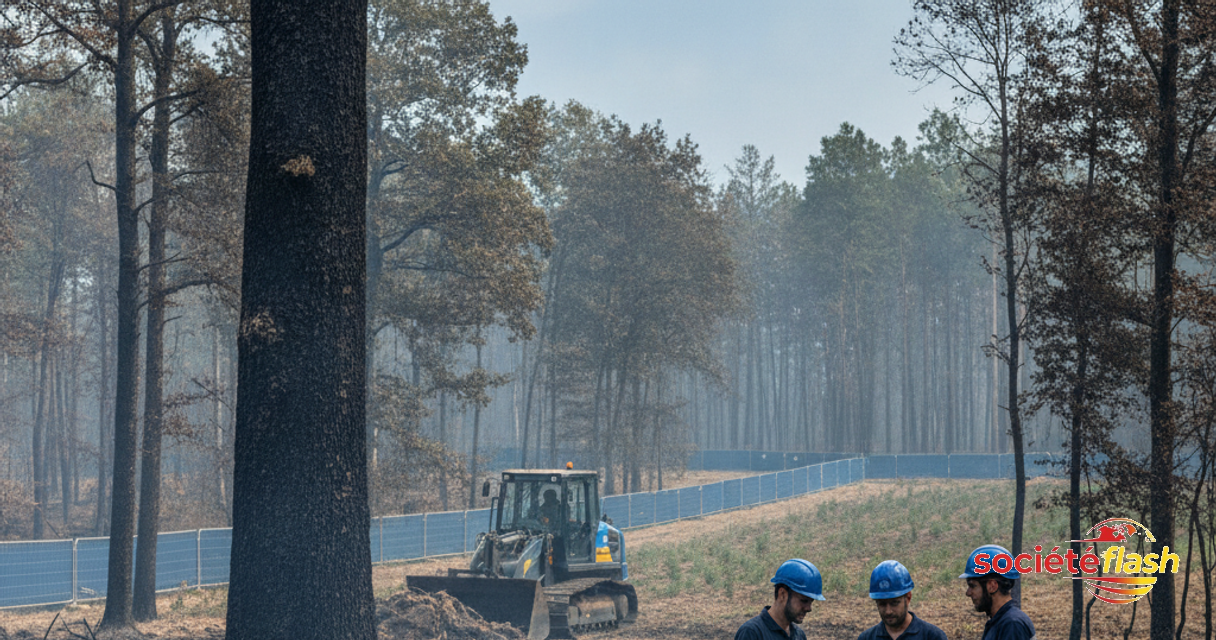
In the aftermath of the fires, securing the area is the top priority. Loggers and ONF forestry experts are hard at work felling hazardous trees and stabilizing the ground. High vigilance is crucial as "zombie fires" continue to threaten the region. Thermal imaging cameras are being deployed to detect hotspots and prevent any flare-ups.
Securing the site does not mean the forest will reopen right away. According to the ONF, it will be at least a year before the impacted zones can safely welcome the public again. This cautious approach aims to ensure visitor safety while allowing the forest to regenerate naturally. For more details on safety measures, visit the National Forests Office (ONF).
The Slow Rebuilding of Fontainebleau Forest
Rebuilding the Fontainebleau Forest is a complex endeavor that requires meticulous planning. Given the highly sandy soil, the dominance of pine trees could leave the forest vulnerable to future blazes unless species diversification is carried out. Julien Simon, head of the forestry department at ONF Île-de-France, emphasizes the importance of replanting a wider variety of tree species to mitigate future risks.
Restoration goes far beyond simple replanting; it also encompasses restoring biodiversity and rehabilitating local ecosystems. This long-term initiative is essential to bolster the forest's resilience against growing climate-related challenges. To see how other regions handle complex challenges, read our article on Middle East tensions.
Solutions to Prevent Future Forest Fires
In the face of recurring wildfires, implementing effective prevention strategies is crucial. The ONF and local authorities are working together to bolster wildfire defense infrastructure and educate the public on risk-reduction practices.
Key measures under consideration include:
- Enhanced monitoring of high-risk areas using advanced tech such as thermal cameras.
- Diversifying tree species to curb fire propagation.
- Public awareness campaigns on wildfire prevention.
These concerted efforts aim to protect not only the Fontainebleau Forest, but forest lands across France from future threats. For more insights on global affairs, check out our report on Israeli strikes in Lebanon.
FAQ
How do "zombie fires" affect the Fontainebleau Forest?
"Zombie fires" burn deep underground, making containment and securing operations particularly challenging. They can flare back up unexpectedly, demanding continuous thermal surveillance.
What are the immediate priorities after a wildfire?
Securing the area and clearing hazardous trees are the immediate priorities, followed by long-term planning for reforestation and ecosystem rehabilitation.
What role does biodiversity play in forest resilience?
High biodiversity strengthens forest resilience against fires and other environmental threats. Diverse plant and animal species help stabilize ecosystems and slow the spread of flames.
Conclusion
Wildfire management in France—especially in the Fontainebleau Forest—underscores the mounting challenges of climate change. Securing and rebuilding these ravaged areas requires a sustainable, integrated approach. To stay informed on environmental and world news, visit Société Flash for in-depth coverage. Together, we can help protect our natural heritage.
Also Read